
Blog
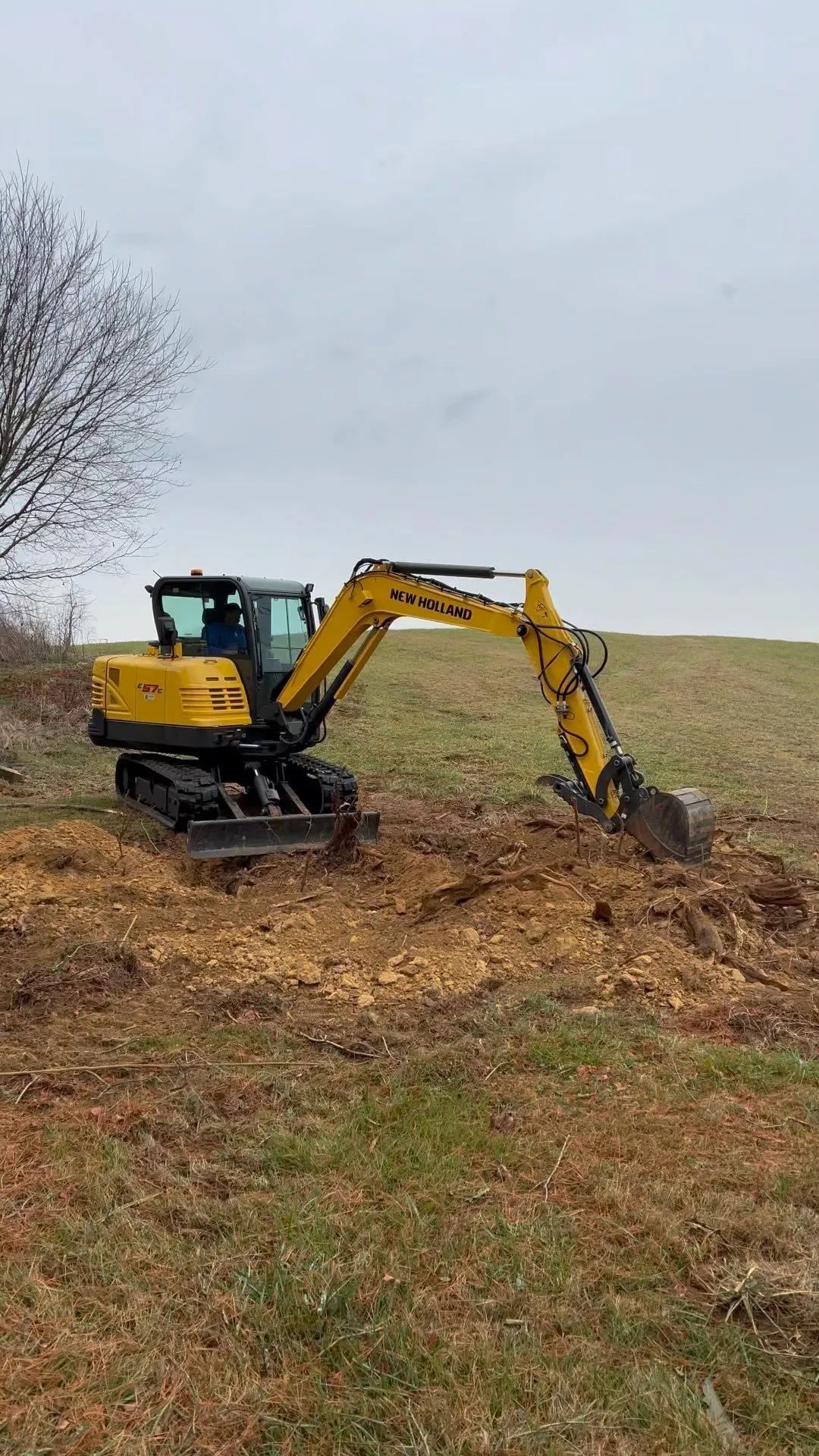
Site preparation is vital for new builds. Learn about clearing, grading, and drainage planning. Contact us for expert excavation services!
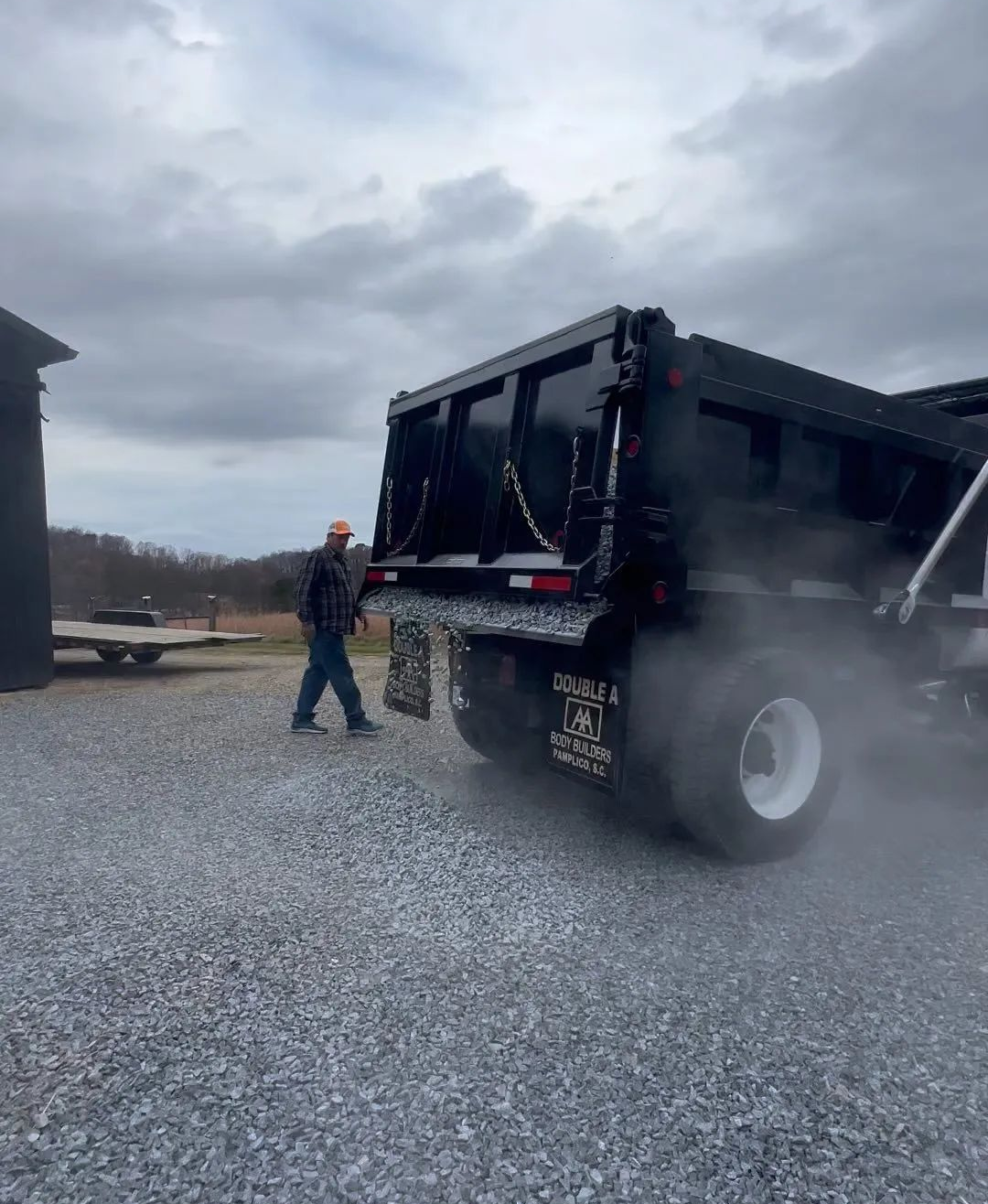
Wondering about gravel delivery in Fall Branch or Chuckey, TN? Learn gravel types, how much you need, truck access, and spreading vs dump-and-go.
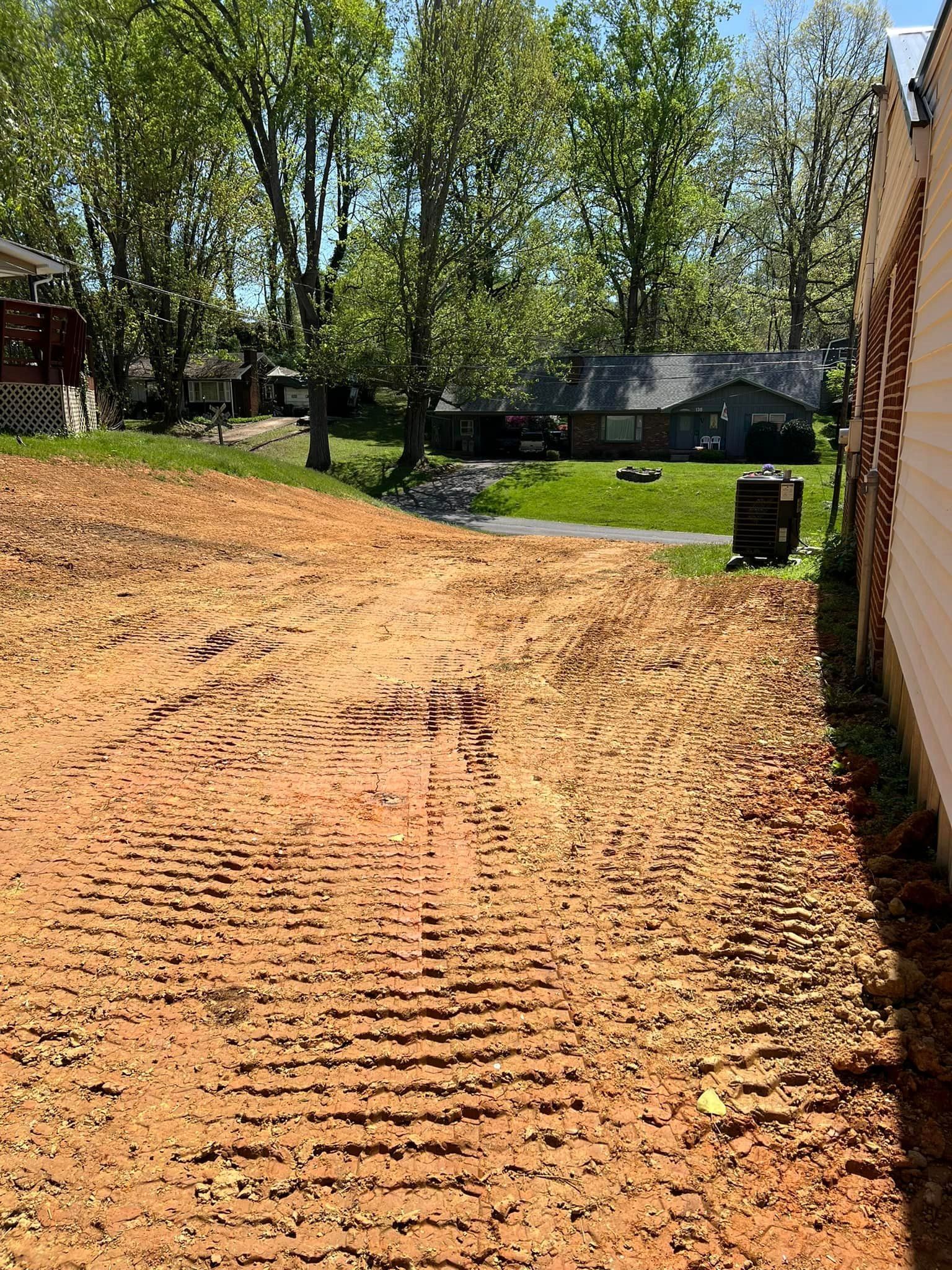
Tennessee's rolling terrain is part of what makes the region beautiful, but those same hills and slopes create real challenges for homeowners when it comes to managing stormwater and protecting their land. Heavy rainfall is a seasonal reality across the state, and when water has nowhere to go, it takes the path of least resistance, pulling soil, gravel, and landscaping along with it. Erosion is not simply a cosmetic problem. Left unaddressed, it undermines foundations, damages driveways, and strips topsoil that took decades to develop. Proper grading and drainage are not afterthoughts. They are foundational decisions that determine how your property handles every rain event, every snowmelt, and every ground saturation cycle. Whether you are managing a residential lot in the mountains of East Tennessee or a rural property with significant grade change, understanding how water moves across your land is the first step toward protecting it. This guide walks through the core strategies, common mistakes, and proven methods that land and drainage professionals rely on to keep hilly yards stable for the long term.
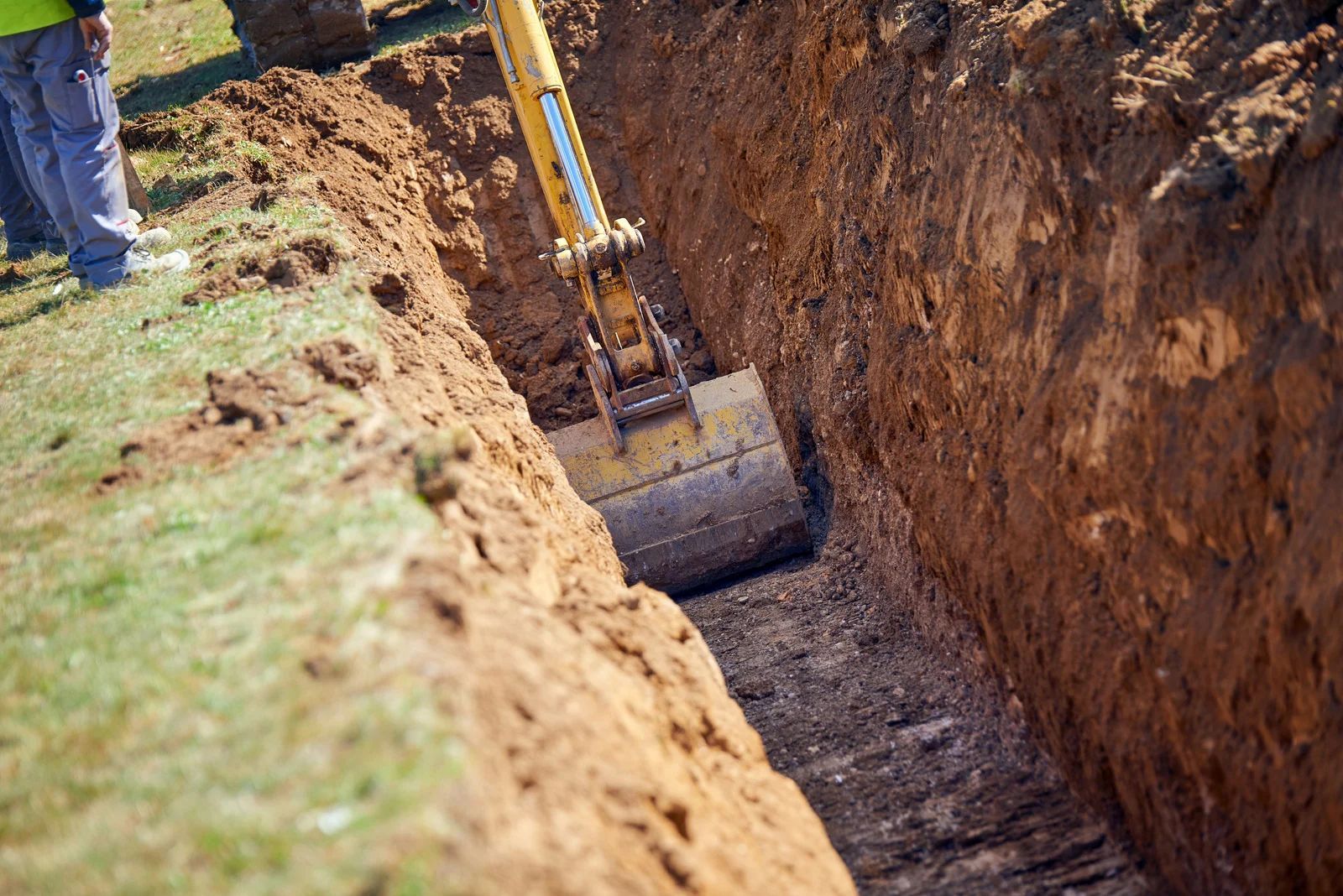
Water and utility line installation is one of the most critical components of modern residential and commercial infrastructure. Whether it involves fresh water supply lines, drainage systems, electrical conduits, or gas pipelines,
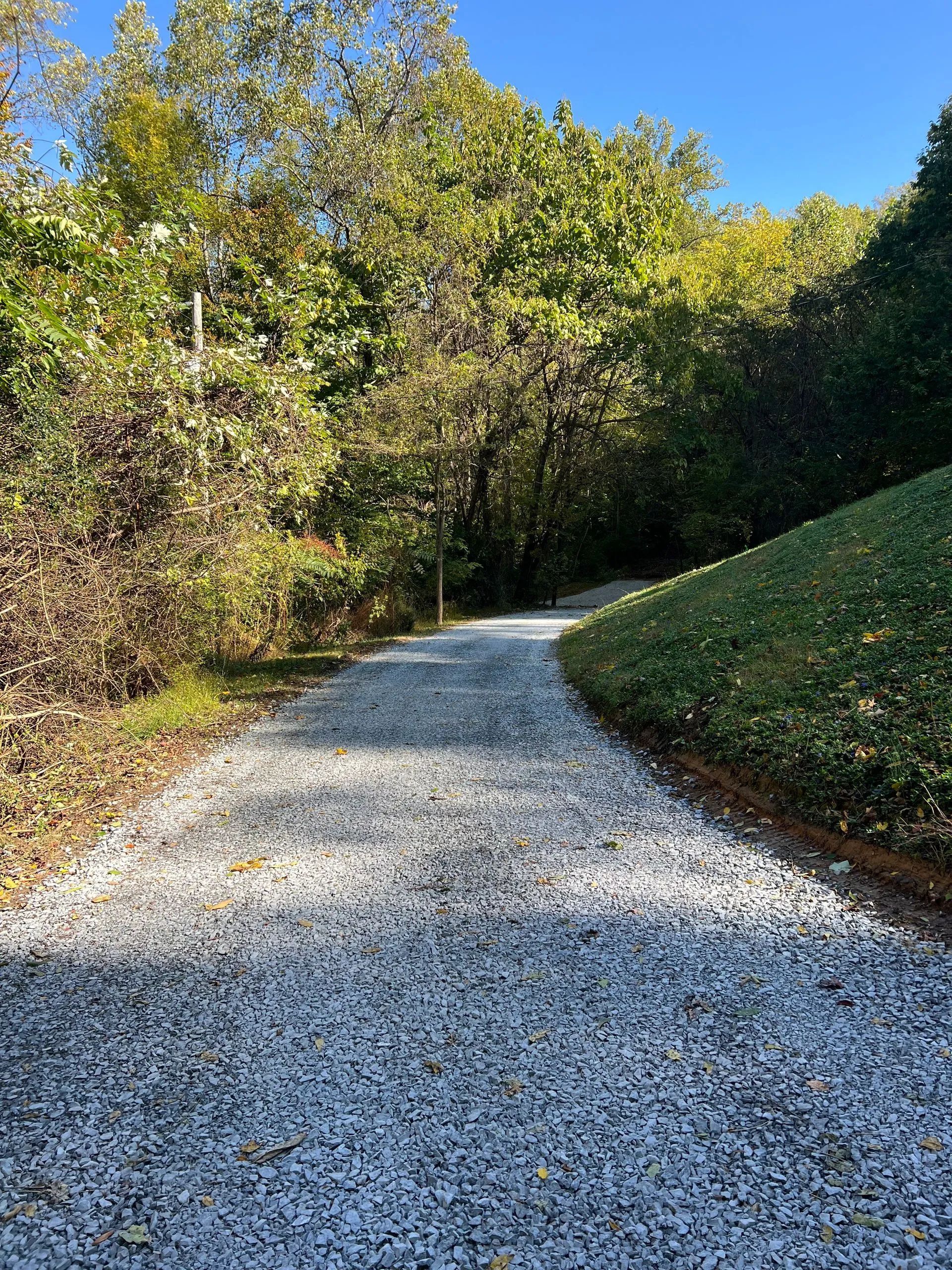
Winter conditions in Northeast Tennessee bring a combination of freezing temperatures, heavy rain, and occasional snow, all of which can significantly impact the performance and durability of gravel driveways.
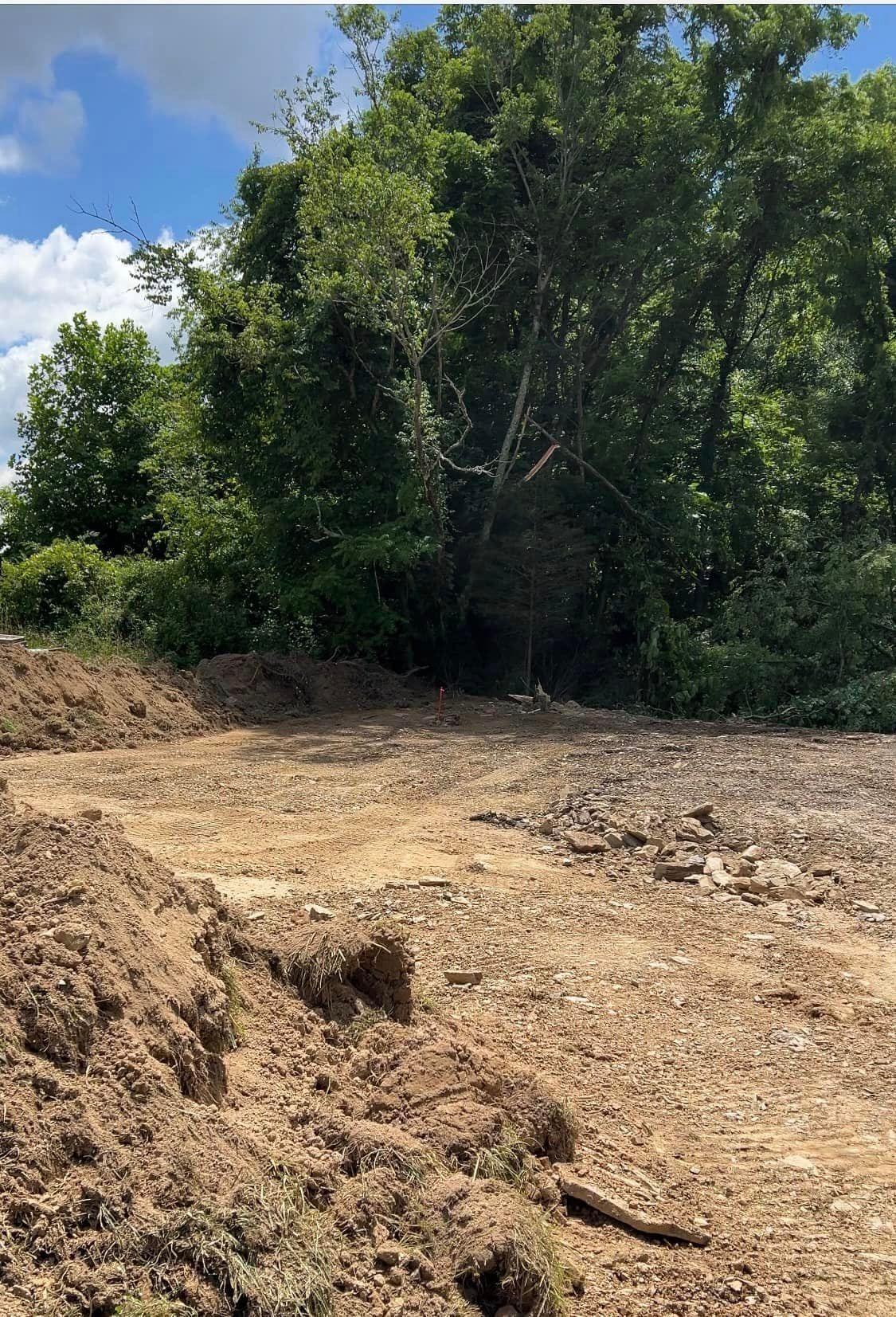
Clearing land is often the first and most crucial step in transforming a property, whether for construction, landscaping, or agricultural purposes. In Colonial Heights, TN, land clearing services play a significant role in preparing sites for new developments,
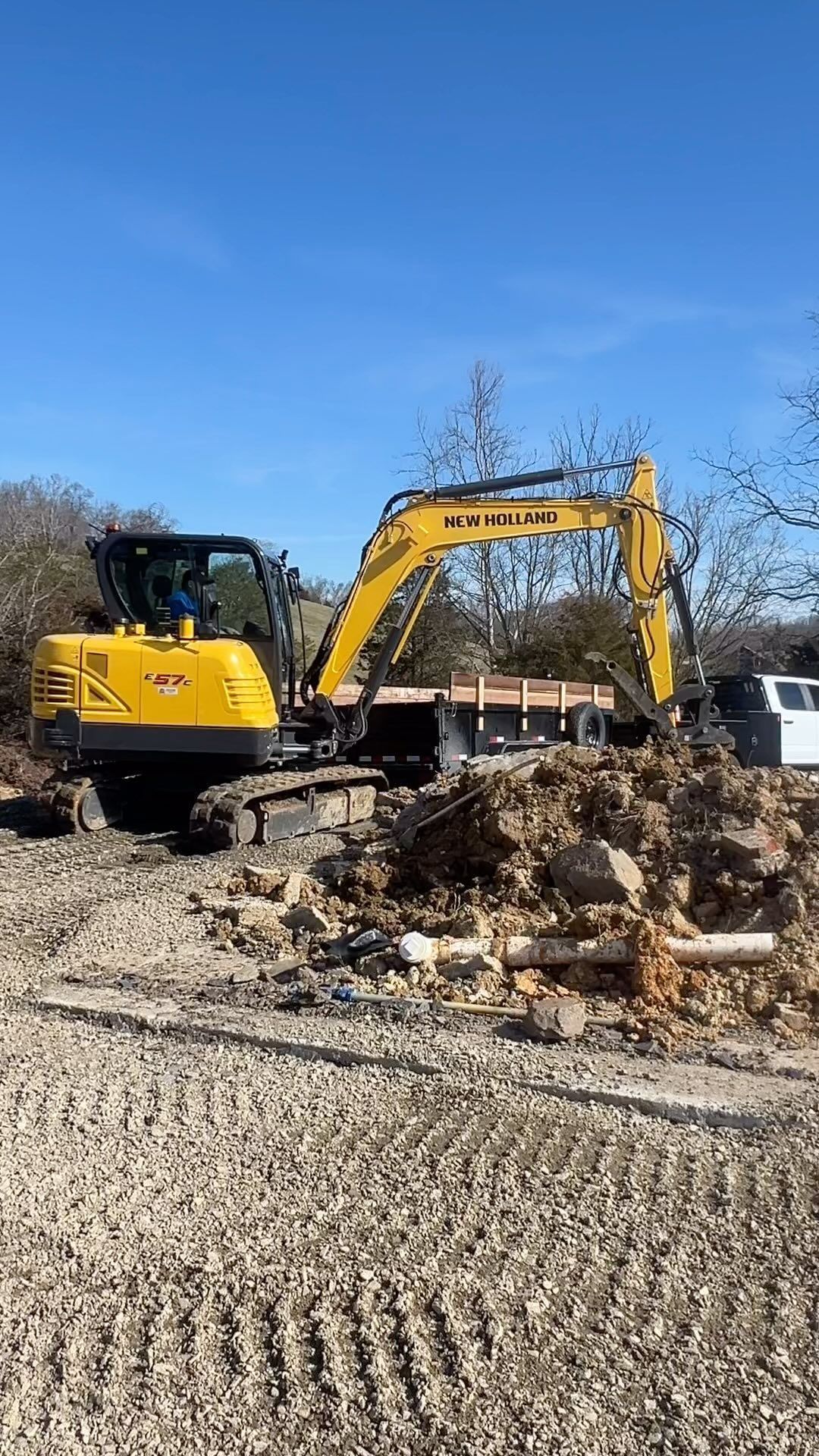
Demolition is more than simply tearing down walls or removing structures; it is a complex, precise process that requires planning, expertise, and strict adherence to safety protocols.
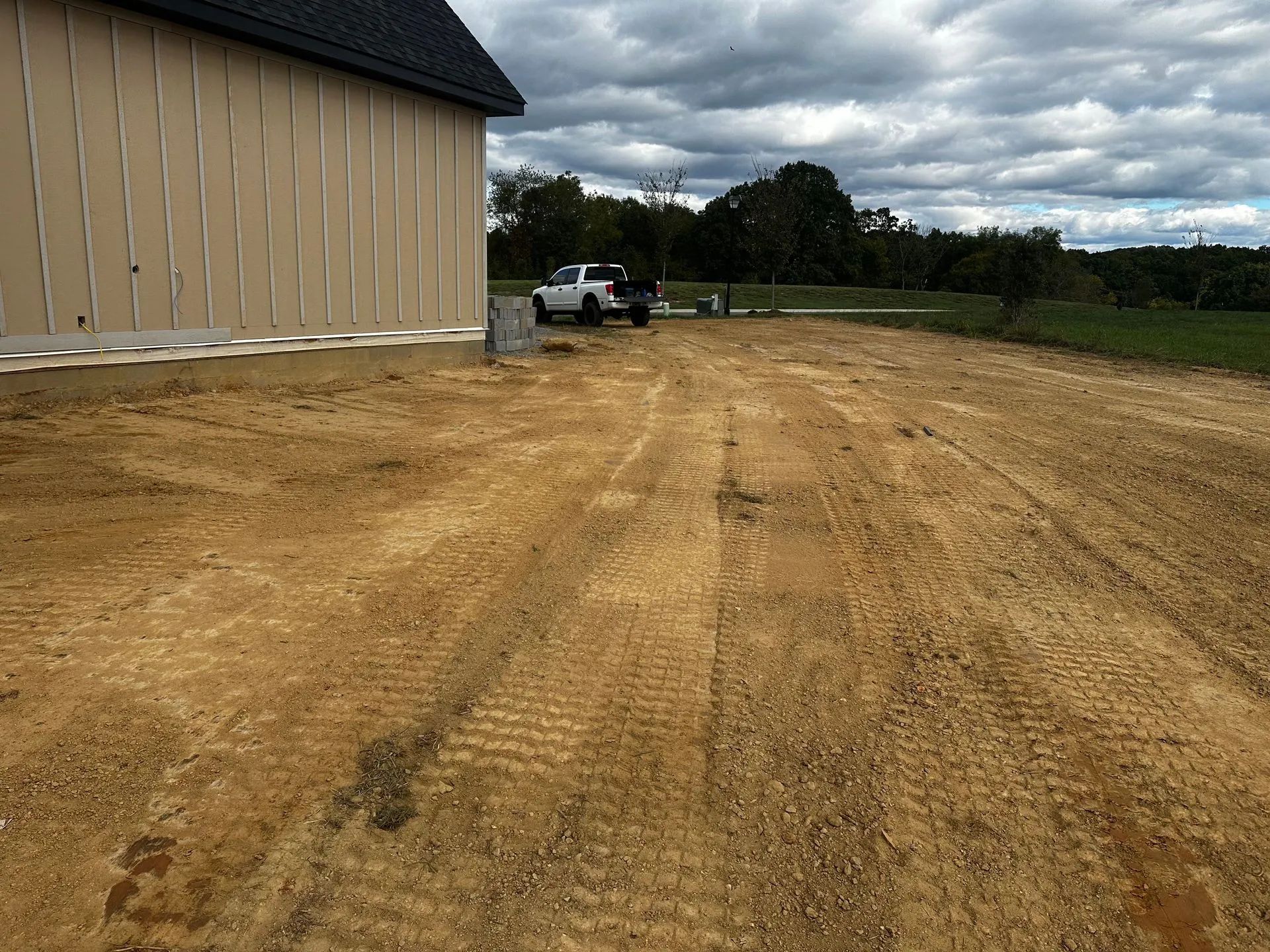
Proper grading is an often-overlooked but critical element in both residential and commercial property development. Whether you’re constructing a new home, installing a driveway, or landscaping a yard, the way land is graded can significantly impact the durability, functionality, and overall appeal of your property.
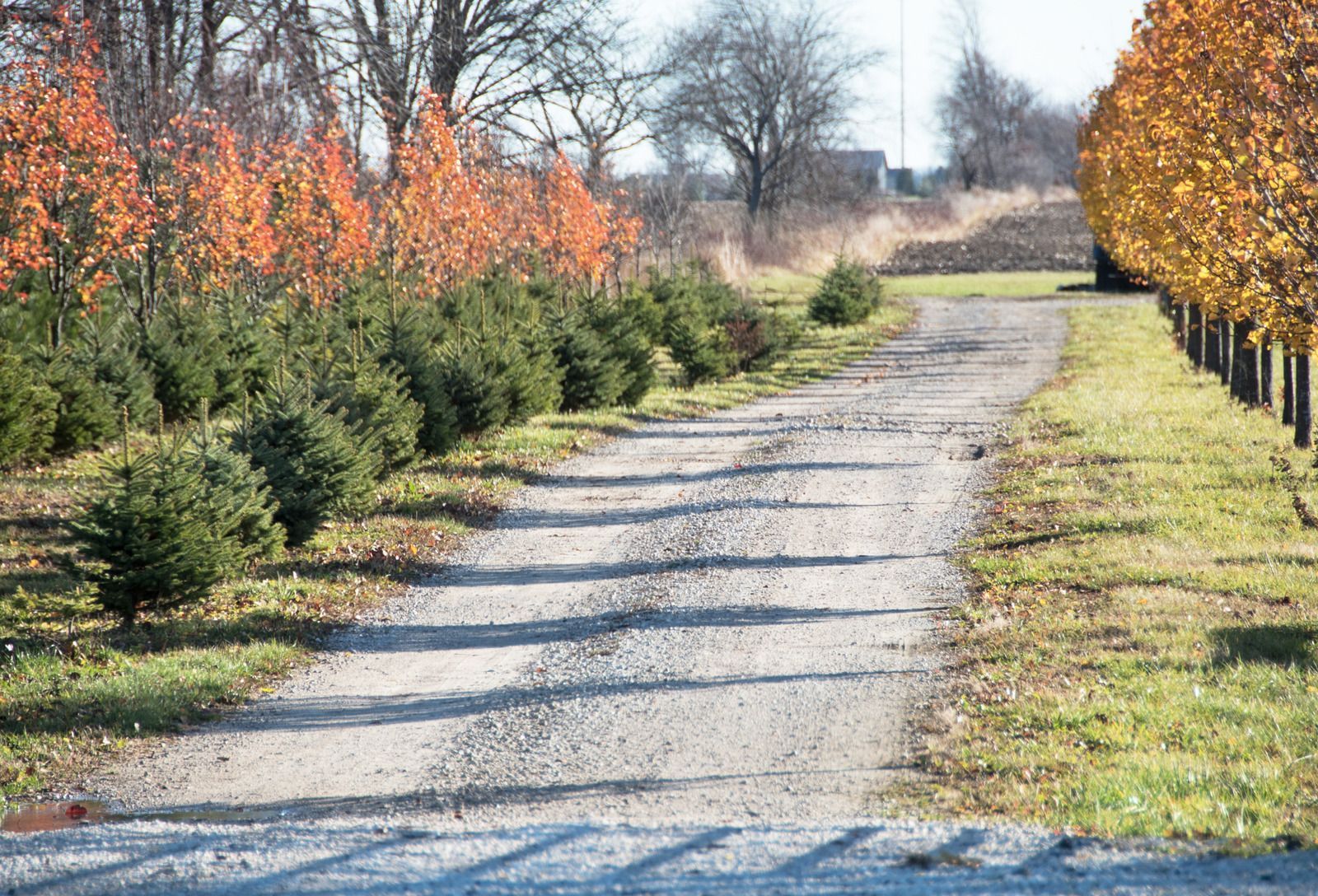
When it comes to selecting the right driveway material, homeowners in Blountville, Tennessee, are increasingly opting for gravel over traditional asphalt.