Demolition Done Right: What Limestone, TN Property Owners Should Know
Demolition is more than simply tearing down walls or removing structures; it is a complex, precise process that requires planning, expertise, and strict adherence to safety protocols. For property owners in Limestone, Tennessee, understanding the intricacies of demolition is crucial for ensuring the success of construction, renovation, or land development projects. Without proper knowledge, projects can encounter delays, unexpected costs, or even safety hazards that endanger workers and residents alike. A professional approach to demolition not only protects property and people but also maximizes the value of the land by preparing it efficiently for its next purpose.
In today’s real estate and construction landscape, property owners face growing demands for safety compliance, environmental responsibility, and operational efficiency. Being informed about the process empowers property owners to make strategic decisions, collaborate effectively with contractors, and avoid common pitfalls. This guide will provide Limestone property owners with actionable insights into demolition best practices, including planning, risk management, environmental considerations, and cost optimization—ensuring that every project is executed with precision and professionalism.
1. Planning a Successful Demolition Project
Understanding the Scope of Work
A successful demolition begins with a comprehensive assessment of the property. Property owners should clearly define the purpose of the demolition—whether it’s clearing space for new construction, removing hazardous materials, or revitalizing an aging structure. Understanding the size, materials, and complexity of the structure informs the planning process, helping contractors prepare appropriate equipment, labor, and safety measures. For instance, demolishing a single-family home requires a different approach than removing a multi-story commercial building.
Securing Permits and Compliance
Demolition in Limestone, TN, requires proper permits and adherence to local and state regulations. Property owners must verify zoning requirements, environmental standards, and safety codes before work begins. Failure to obtain permits can result in fines, project delays, or legal liability. Engaging professional contractors familiar with local codes ensures that the project meets all regulatory obligations, from asbestos removal protocols to proper debris disposal. Proactive compliance protects property owners and ensures smooth project execution without costly interruptions.
Risk Assessment and Safety Planning
Demolition inherently involves risks such as structural collapse, exposure to hazardous materials, and potential damage to neighboring properties. Conducting a detailed risk assessment before starting the project is essential. This includes identifying weak structures, unstable surfaces, and potential hazards like asbestos, lead paint, or electrical systems. Contractors should develop a safety plan that incorporates protective equipment, site barriers, and emergency protocols. A well-planned approach not only safeguards workers but also minimizes liability for property owners.
2. Choosing the Right Demolition Method
Selective or Partial Demolition
Selective demolition, also known as deconstruction, involves removing specific elements of a building while preserving others. This method is ideal for renovation projects where certain structures or materials can be salvaged for reuse. For example, wooden beams, bricks, and fixtures can often be repurposed, reducing waste and lowering costs. Selective demolition requires precision and skilled labor, making it a preferred choice for property owners seeking sustainability and efficiency.
Implosion and Mechanical Demolition
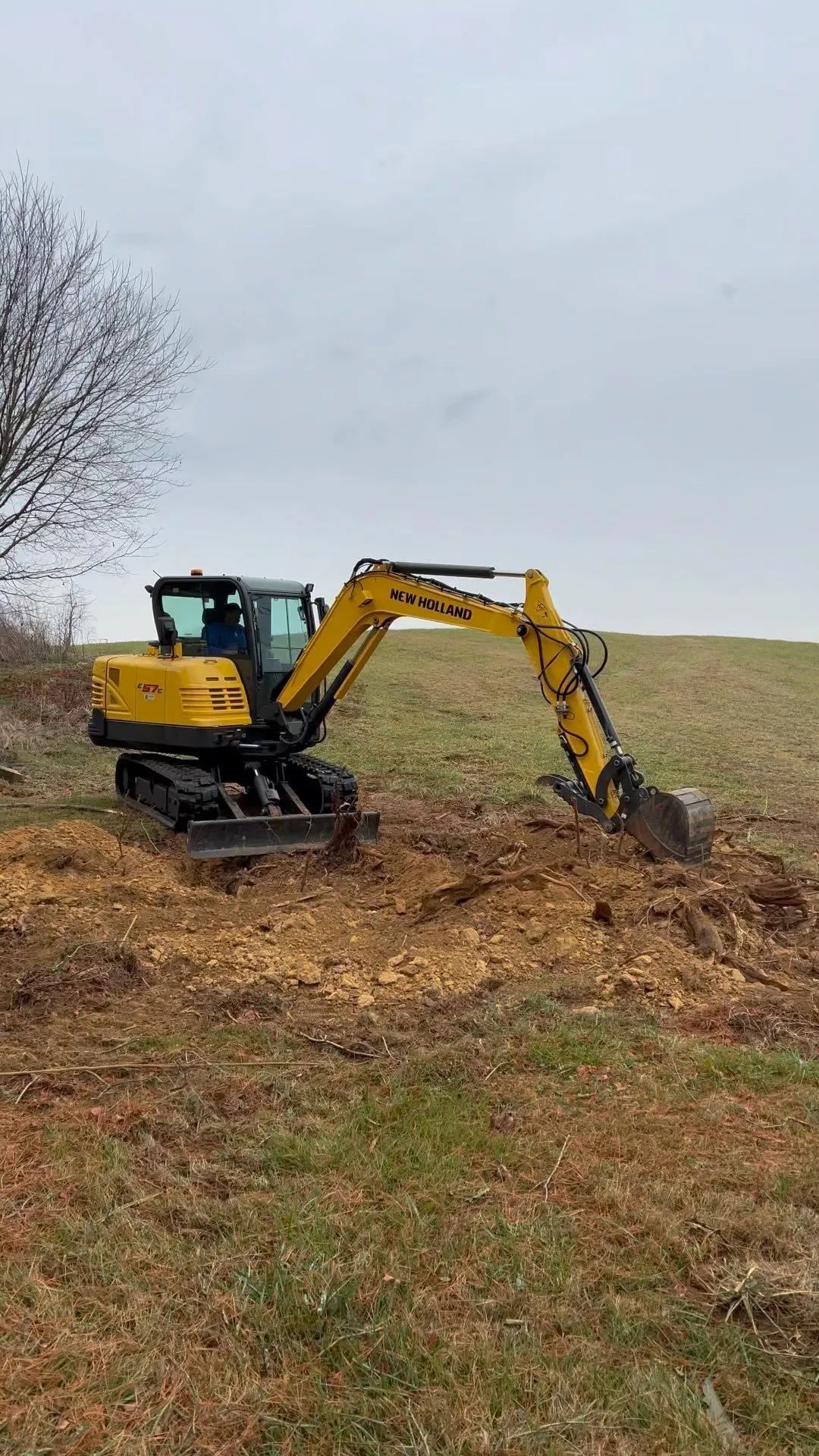
Large commercial or industrial structures may require more aggressive techniques. Mechanical demolition uses heavy machinery like excavators, bulldozers, and wrecking balls to dismantle buildings quickly. Implosion, on the other hand, involves controlled explosives to collapse a structure safely. Both methods demand expert planning, including structural analysis, safety measures, and coordination with local authorities. While these methods are faster than manual demolition, they come with higher risks and costs, making professional oversight critical.
Environmental and Noise Considerations
Different demolition methods have varying impacts on the surrounding environment. Mechanical demolition generates significant noise and dust, which may disturb nearby residents or businesses. Property owners should discuss mitigation strategies with contractors, including dust suppression, noise barriers, and proper scheduling. Additionally, methods that allow material recycling or safe disposal contribute to environmental responsibility and compliance with Tennessee regulations. Choosing the right method balances efficiency, safety, and sustainability.
3. Managing Debris and Waste Disposal
Identifying Hazardous Materials
Older structures often contain hazardous materials such as asbestos, lead paint, or mold. Proper identification and removal of these substances are not only legal requirements but essential for health and safety. Contractors typically conduct inspections and implement containment strategies to prevent exposure. For property owners, understanding the types of hazardous materials on site ensures that they select qualified professionals capable of handling these risks safely and responsibly.
Recycling and Salvaging Materials
Recycling and salvaging are increasingly integral to demolition projects. Wood, metals, concrete, and bricks can often be reused or sold, reducing landfill waste and providing financial incentives. Selective demolition strategies, combined with effective sorting and storage, allow property owners to maximize material recovery. For example, copper wiring and steel beams often have resale value, while concrete can be crushed and reused for roadbeds or landscaping. These sustainable practices not only benefit the environment but also help control costs.
Efficient Waste Removal
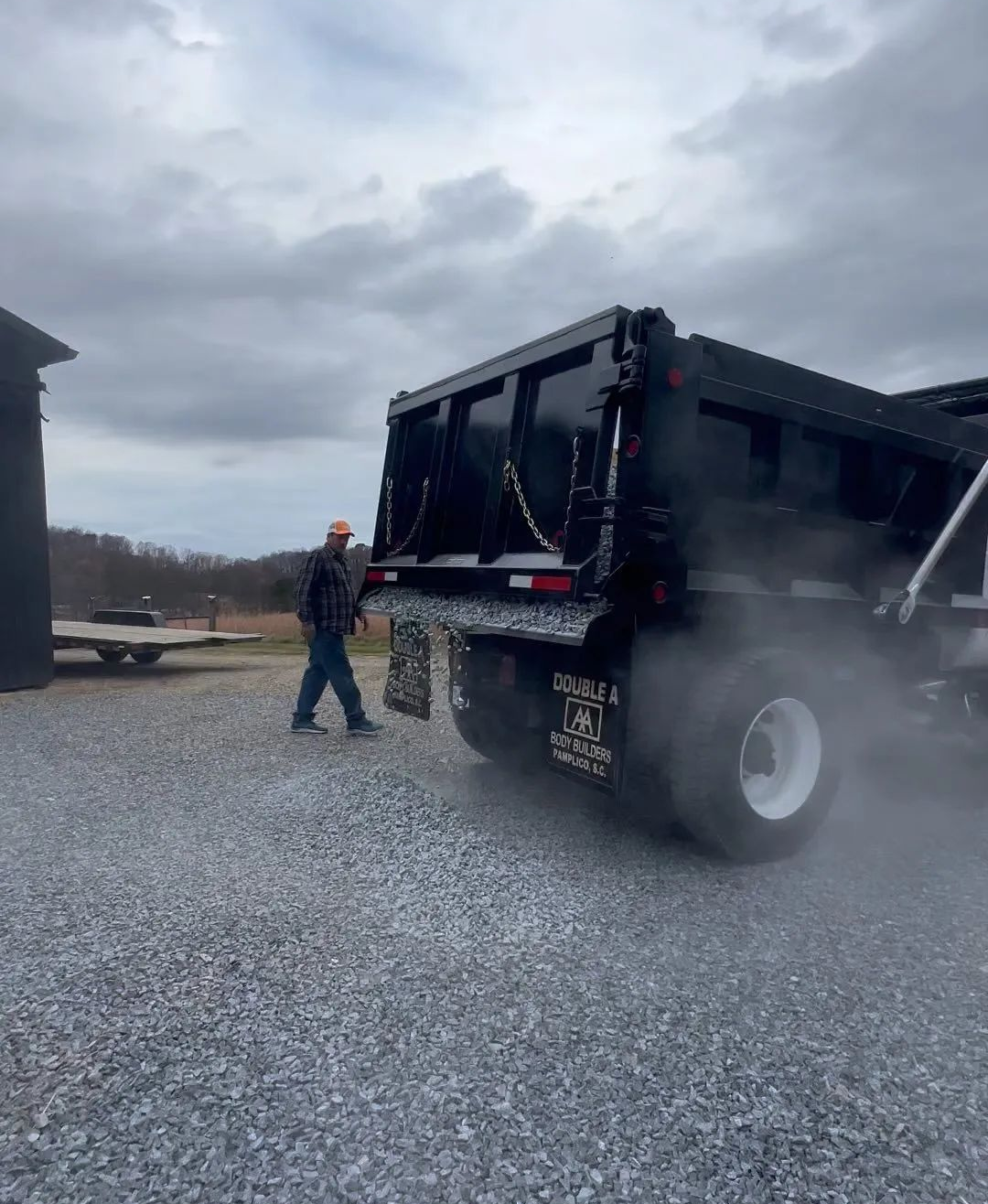
Coordinating waste removal is critical to maintaining a safe and organized worksite. Property owners should work with contractors who provide reliable hauling, sorting, and disposal services. Efficient debris management reduces project delays and prevents hazards such as tripping or fire risks. Planning for waste disposal in advance also ensures compliance with Tennessee regulations, avoids fines, and facilitates a smooth transition to construction or land development.
4. Ensuring Structural Safety During Demolition
Pre-Demolition Structural Assessmentater Damage
Before demolition begins, structural engineers or qualified contractors assess the building’s integrity. This assessment identifies load-bearing walls, weak points, and potential collapse hazards. Proper evaluation prevents accidents and ensures that demolition progresses safely. For property owners, requesting a structural report provides assurance that all risks have been addressed and allows for informed decision-making regarding demolition techniques.
Protecting Adjacent Properties
Demolition sites are often in close proximity to other structures. Protecting neighboring properties from debris, dust, and vibrations is crucial. Contractors may use fencing, scaffolding, or vibration monitors to safeguard nearby buildings. For property owners, ensuring that these protective measures are in place prevents liability issues and fosters positive relationships with neighbors and the local community.
Emergency Response Planning
Even with careful planning, demolition can involve unforeseen events such as structural collapse or equipment malfunction. Developing an emergency response plan is essential for minimizing injury and property damage. This plan should include evacuation procedures, contact information for local emergency services, and on-site first aid provisions. Property owners benefit from reviewing these protocols to ensure that safety standards meet both legal requirements and best practices.
5. Cost Considerations and Project Management
Estimating Demolition Costs
Demolition costs vary based on the structure type, size, materials, location, and method. Property owners should obtain detailed estimates from multiple contractors, including breakdowns for labor, equipment, permits, waste disposal, and hazard management. Transparent cost estimation allows for budgeting accuracy and reduces the likelihood of surprise expenses. For instance, a small residential demolition may cost a few thousand dollars, while a large commercial site could reach tens of thousands.
Scheduling and Timeline Management
Proper scheduling ensures that demolition aligns with construction or renovation timelines. Factors affecting timelines include structural complexity, weather conditions, regulatory approvals, and the availability of specialized equipment. Property owners should work closely with contractors to develop realistic timelines and include buffer periods for unexpected delays. Effective project management minimizes downtime and accelerates the transition to subsequent development phases.
Choosing Experienced Contractors
Selecting the right contractor is one of the most critical decisions for a successful demolition. Experienced professionals provide guidance on methods, compliance, and safety, while avoiding common pitfalls. Property owners should seek contractors with proven track records, proper licensing, and insurance coverage. References, past project portfolios, and local reputation can provide valuable insights. Choosing expertise over cost alone ensures project quality, safety, and efficiency.
6. Post-Demolition Steps and Site Preparation
Site Inspection and Cleanup
Once demolition is complete, thorough site inspection and cleanup are essential. Contractors remove remaining debris, check for hazards, and ensure the site meets local regulations. Property owners benefit from participating in the final inspection to verify that cleanup standards are met. A clean, prepared site facilitates the smooth initiation of construction, landscaping, or redevelopment projects.
Soil Testing and Land Preparation
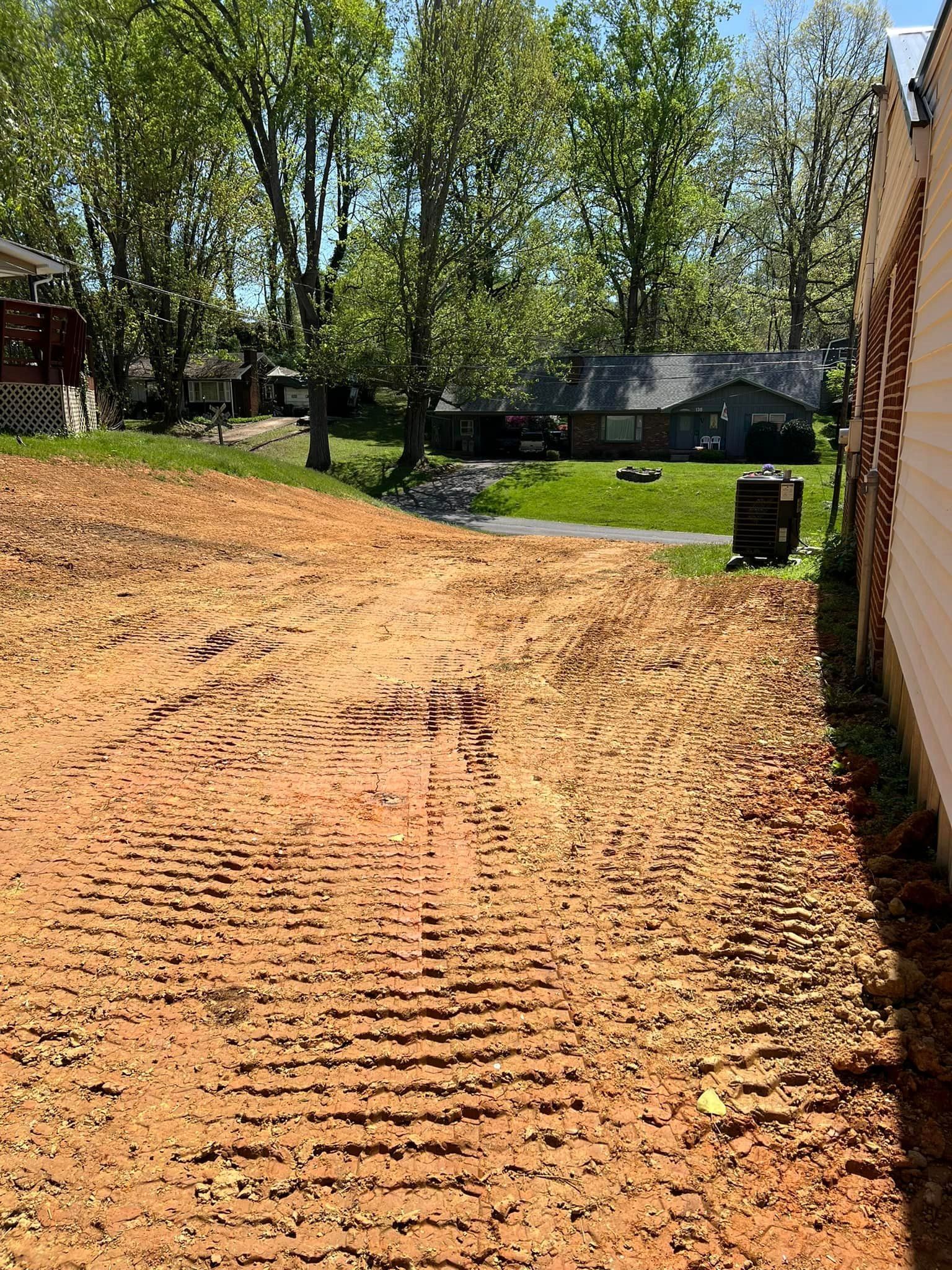
After demolition, soil testing may be necessary to assess stability and contamination levels. Proper land preparation, including grading and compaction, ensures that the site is ready for construction or landscaping. Addressing soil and site conditions early prevents long-term structural issues and provides a solid foundation for future development.
Planning for Redevelopment
Demolition opens opportunities for redevelopment, whether constructing a new building, creating green space, or expanding existing infrastructure. Property owners should collaborate with architects, engineers, and contractors to maximize the potential of the cleared site. A well-planned post-demolition strategy increases property value and supports efficient project execution.
Trusted Experts Managing Complex Limestone Demolition Projects
Demolition
is a multifaceted process requiring careful planning, skilled execution, and attention to safety, environmental, and regulatory considerations. Limestone, TN property owners who invest time in understanding demolition best practices are better equipped to manage risks, control costs, and ensure smooth project transitions. Absolute One Properties, based in Jonesborough, Tennessee, brings over 30
years of industry experience to every demolition and property development project. With a proven track record, the company prioritizes safety, compliance, and precision while delivering exceptional results. By combining technical expertise, local knowledge, and a client-focused approach, Absolute One Properties
ensures that every property owner receives trustworthy guidance and effective solutions. Partnering with such a seasoned professional guarantees that demolition projects are executed efficiently, responsibly, and to the highest standards, preparing properties for successful redevelopment and future growth.