Land Clearing Services in Colonial Heights, TN: Permits, Prep & Pricing
Clearing land is often the first and most crucial step in transforming a property, whether for construction, landscaping, or agricultural purposes. In Colonial Heights, TN, land clearing services play a significant role in preparing sites for new developments, ensuring that the terrain is safe, accessible, and compliant with local regulations. This process involves more than simply removing trees or brush—it requires careful planning, adherence to permits, and consideration of environmental factors. Property owners who understand the full scope of land clearing can save time, reduce costs, and avoid potential legal complications.
Moreover, land clearing affects the long-term usability and value of a property. Proper preparation sets the stage for smooth construction projects, minimizes erosion risks, and ensures efficient water drainage. From grading to debris removal, each stage of land clearing requires expertise and specialized equipment. For residents and developers in Colonial Heights, choosing the right land clearing service can mean the difference between a successful project and costly setbacks. Understanding permits, preparation requirements, and pricing models is essential for making informed decisions that align with project goals and local regulations.
Understanding Land Clearing Permits in Colonial Heights
Local Regulations and Legal Requirements
Before starting any land clearing project, it’s essential to navigate the local permitting process. Colonial Heights falls under Tennessee state regulations and specific municipal codes that govern tree removal, grading, and debris disposal. Property owners must obtain permits to ensure that their land clearing activities comply with zoning laws, environmental protections, and stormwater management requirements.
For instance, some areas may restrict the removal of mature trees or require an environmental impact assessment if the property borders wetlands or protected wildlife habitats. Failing to secure the proper permits can result in fines, project delays, or mandatory restoration work. Engaging with local authorities early in the planning process helps clarify requirements, avoiding costly mistakes.
Types of Permits Commonly Required
Several permits may be necessary depending on the scope of work:
- Tree Removal Permit: Required for cutting down certain species or mature trees.
- Grading Permit: Ensures the land’s slope and drainage remain compliant with local standards.
- Erosion and Sediment Control Permit: Necessary for properties prone to runoff or soil erosion during clearing.
- Environmental Permits: May apply if the land includes protected areas or sensitive ecosystems.
By understanding and obtaining the right permits, property owners protect themselves legally and ensure that their land clearing project proceeds without interruptions.
Preparing Your Property for Land Clearing
Initial Assessment and Planning
Effective land clearing begins with a thorough site assessment. Professionals evaluate tree density, terrain, soil composition, and existing vegetation. This assessment identifies potential challenges such as uneven terrain, rocky soil, or invasive plant species. It also helps determine the equipment needed and the sequence of clearing activities.
A well-planned approach minimizes risks and reduces unnecessary costs. For example, if a site has steep slopes, specialized machinery may be required, or erosion control measures might be necessary to prevent future soil damage.
Marking Utilities and Boundaries
Before any clearing begins, it’s critical to locate and mark underground utilities such as water lines, gas pipelines, and electrical conduits. Contacting local utility services to “call before you dig” prevents accidents and ensures compliance with safety regulations. Additionally, property boundaries should be clearly defined to avoid disputes with neighboring landowners.
Environmental Considerations
Land clearing can significantly impact local ecosystems. Best practices include retaining certain trees for shade and soil stability, avoiding wetland areas, and implementing erosion control measures such as silt fences or retaining walls. Professionals often recommend a phased approach that gradually removes vegetation while maintaining soil integrity and natural water flow.
Land Clearing Methods and Techniques
Mechanical Land Clearing
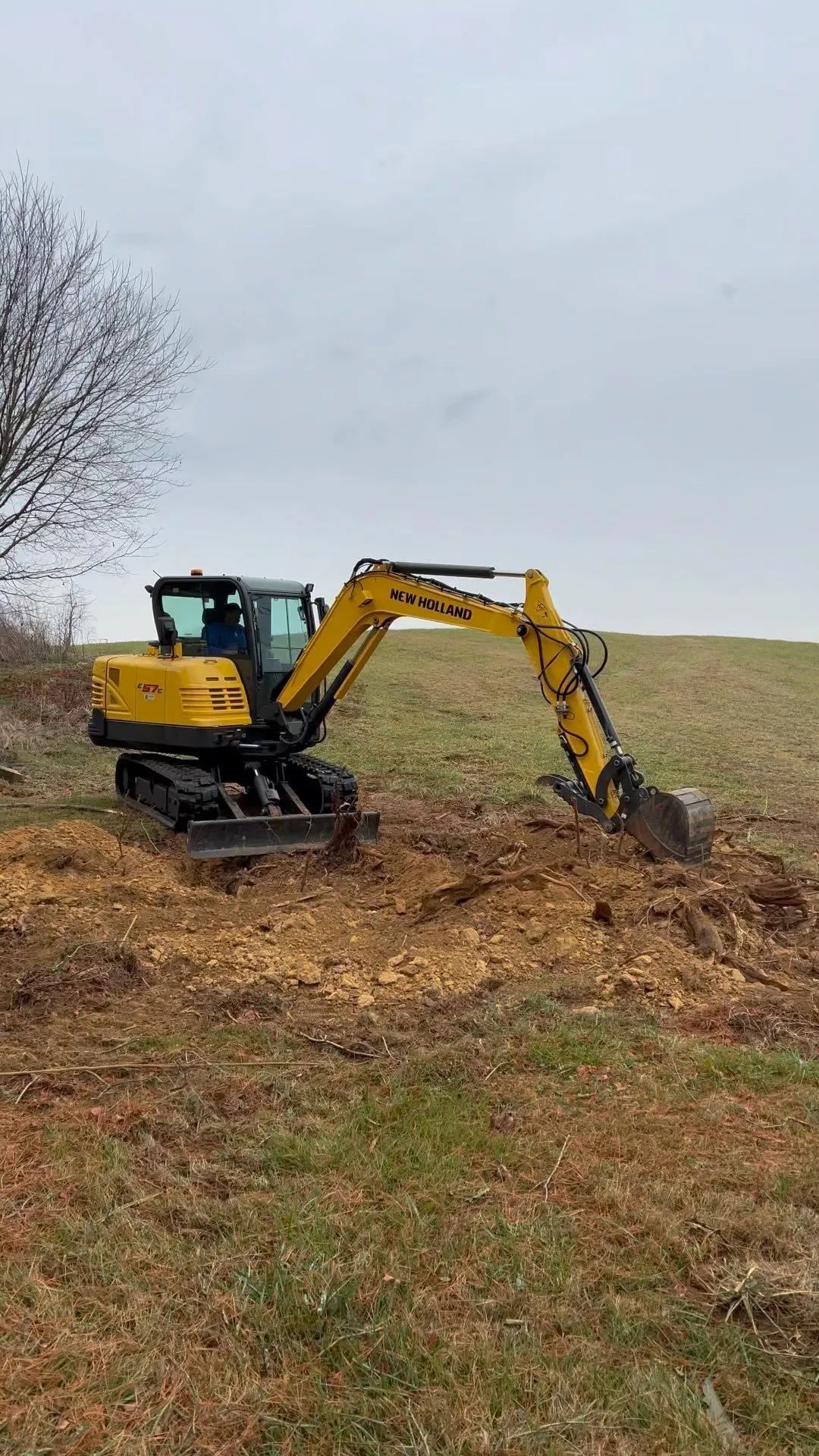
Mechanical methods are the most common approach for large properties or dense vegetation. This includes using bulldozers, skid steers, excavators, and mulchers to remove trees, brush, and stumps efficiently. Mechanical clearing is ideal for developers seeking quick results or preparing land for commercial construction.
Manual Clearing
Manual land clearing involves using chainsaws, hand tools, and small machinery to remove vegetation. This method is labor-intensive but provides greater control, making it suitable for areas with delicate ecosystems or restricted access. Manual clearing is also preferred in residential projects where minimizing disruption is important.
Chemical and Controlled Methods
Some projects may require herbicides or controlled burning to eliminate invasive species or prepare soil for agricultural use. These methods demand careful handling, compliance with environmental regulations, and professional oversight to prevent unintended damage.
Stump and Debris Management
Stumps, roots, and leftover debris can impede future development if not properly managed. Techniques like stump grinding, chipping, and mulching help clear the land while repurposing waste materials. For instance, wood chips can be used for landscaping or erosion control, turning potential waste into a valuable resource.
Pricing Factors in Land Clearing Projects
Size and Terrain of the Property
The most significant determinant of cost is the size of the property. Larger properties require more labor, equipment, and time, which naturally increases expenses. Terrain complexity, such as slopes, rocky areas, or dense forests, can also drive up costs due to the need for specialized machinery or additional safety measures.
Vegetation Density and Type
The type and density of vegetation influence the approach and pricing. Mature trees, thick brush, and invasive species require more effort to remove than small shrubs or sparse undergrowth. Properties with mixed vegetation may involve a combination of mechanical and manual clearing methods, further affecting costs.
Permits and Regulatory Compliance
Securing permits adds to the project’s cost, but this step is non-negotiable for legal compliance. Fees vary depending on the permit type, property size, and environmental considerations. Factoring these costs into your budget ensures there are no unexpected financial surprises.
Equipment and Labor Costs
Land clearing requires specialized equipment and skilled operators. Depending on the project’s complexity, you may need bulldozers, excavators, mulchers, or chainsaws, along with experienced labor to operate them. Some companies include equipment rental in their pricing, while others charge separately, so it’s important to clarify upfront.
Additional Services
Additional tasks such as debris removal, grading, erosion control, and soil preparation also affect pricing. While these services increase costs, they enhance the property’s readiness for construction or landscaping and can prevent future maintenance issues.
Benefits of Professional Land Clearing Services
Efficiency and Expertise
Hiring a professional ensures the project is completed efficiently, safely, and in compliance with local regulations. Experienced contractors can assess the site accurately, choose the most suitable clearing methods, and anticipate potential challenges, avoiding costly mistakes.
Enhanced Safety
Land clearing can be dangerous, involving heavy machinery, falling trees, and uneven terrain. Professionals adhere to strict safety protocols, reducing the risk of accidents to workers and property.
Long-Term Property Value
Proper land clearing enhances property value by creating a clean, usable space ready for construction, landscaping, or agricultural development. Well-executed clearing improves soil stability, drainage, and accessibility, all of which are attractive features to buyers or developers.
Environmental Stewardship
Experienced contractors integrate sustainable practices, such as preserving key trees, preventing soil erosion, and recycling debris. This approach minimizes environmental impact while preparing the land for productive use.
Common Challenges and Best Practices
Managing Unexpected Obstacles
Land clearing projects often encounter unforeseen issues such as hidden rocks, waterlogged soil, or unmarked utilities. A thorough initial assessment and contingency planning help mitigate these risks. Professionals also carry insurance to cover potential damages or accidents, providing peace of mind to property owners.
Soil Erosion and Drainage Issues
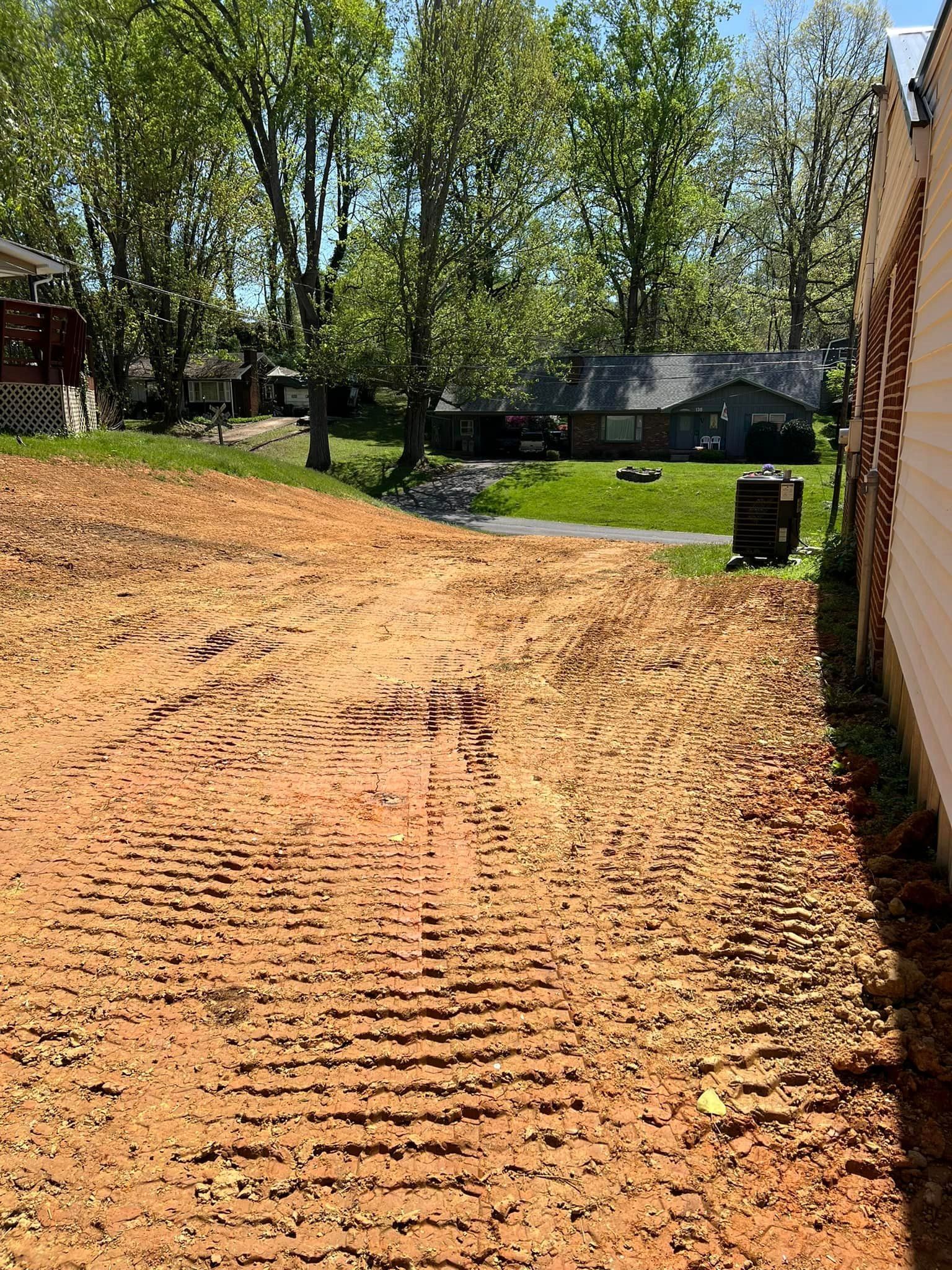
Removing vegetation can expose soil to erosion, especially on sloped land. Implementing best practices like retaining natural buffers, using silt fences, and grading appropriately ensures soil stability and proper drainage.
Seasonal Considerations
Weather conditions impact the timing and efficiency of land clearing. Wet seasons may delay mechanical work, while extreme heat or cold can affect labor safety and equipment performance. Planning projects with seasonal factors in mind ensures timely completion and reduces risk.
Communication and Transparency
Maintaining clear communication with your land clearing contractor is vital. Discuss expectations, pricing, timelines, and permit requirements upfront to avoid misunderstandings. Transparent contracts, including detailed scope-of-work descriptions, help protect both parties and ensure project success.
Proven Professionals Providing Comprehensive Land Clearing Services
Land clearing in Colonial Heights, TN, is a multifaceted process requiring careful planning, regulatory compliance, and expert execution. Understanding permits, preparation techniques, pricing factors, and environmental considerations is essential for property owners and developers. By evaluating terrain, vegetation, and potential challenges, individuals can ensure efficient, safe, and sustainable clearing practices. Engaging professional services enhances project outcomes, safeguards legal compliance, and preserves long-term property value.
For property owners seeking trusted, experienced land clearing services, Absolute One Properties
of Jonesborough, Tennessee, offers unmatched expertise built over 30
years in the industry. Their team combines local knowledge with proven techniques to manage permits, prepare sites, and execute clearing projects efficiently. Whether tackling residential, commercial, or agricultural properties, Absolute One Properties
provides reliable guidance, transparent pricing, and meticulous attention to detail. Clients benefit from a company committed to safety, environmental stewardship, and quality results. With three decades of experience, Absolute One Properties
stands as a leading authority in land clearing services, delivering professional solutions that set properties up for success.