Preparing Your Gravel Driveway for Winter in Northeast Tennessee
Winter conditions in Northeast Tennessee bring a combination of freezing temperatures, heavy rain, and occasional snow, all of which can significantly impact the performance and durability of gravel driveways. Without proper preparation, gravel surfaces can quickly develop ruts, washouts, and uneven areas that make access difficult and increase long-term maintenance costs. Homeowners in rural and semi-rural areas often rely on gravel driveways for daily access, making seasonal preparation an essential part of property maintenance rather than an optional task.
Proper winter readiness is not only about aesthetics but also about safety and structural integrity. Freeze-thaw cycles cause ground movement, while melting snow can displace loose gravel and create drainage issues. Understanding how these natural forces interact with driveway materials allows for smarter maintenance decisions and longer-lasting surfaces.
For property owners in Northeast Tennessee, preparing a gravel driveway before winter ensures smoother access, reduces repair expenses, and improves overall property usability throughout the colder months. A proactive approach helps minimize weather-related damage while maintaining a stable driving surface even under harsh seasonal conditions.
1. Assessing Driveway Condition Before Winter
Inspecting Surface Stability
Inspecting Surface Stability
A thorough inspection is the first step in winter preparation. Look for uneven surfaces, potholes, exposed soil, and loose gravel. These weak points become worse under freeze-thaw cycles, leading to deeper ruts and drainage failure. Addressing early damage helps maintain a stable driving surface and prevents costly repairs during harsh winter conditions in gravel driveways in cold regions.
Identifying Drainage Issues
Identifying Drainage Issues
Water accumulation is one of the most damaging factors for gravel driveways. Poor drainage allows water to seep beneath the surface, weakening the base layer. Checking for standing water after rainfall helps identify problem areas that require correction before freezing temperatures set in rural and sloped properties, where runoff can quickly destabilize the driveway foundation system's integrity.
Evaluating Gravel Thickness
Evaluating Gravel Thickness
A properly maintained gravel driveway should have sufficient depth to support vehicle weight. Thin areas expose the base layer, increasing the risk of erosion. Adding fresh gravel where needed ensures a more uniform and resilient surface for winter conditions and improves traction during wet freeze cycles common in Northeast Tennessee seasonal weather patterns, affecting rural driveways' overall stability.
2. Improving Drainage for Freeze Protection
Shaping Proper Driveway Crown
Shaping Proper Driveway Crown
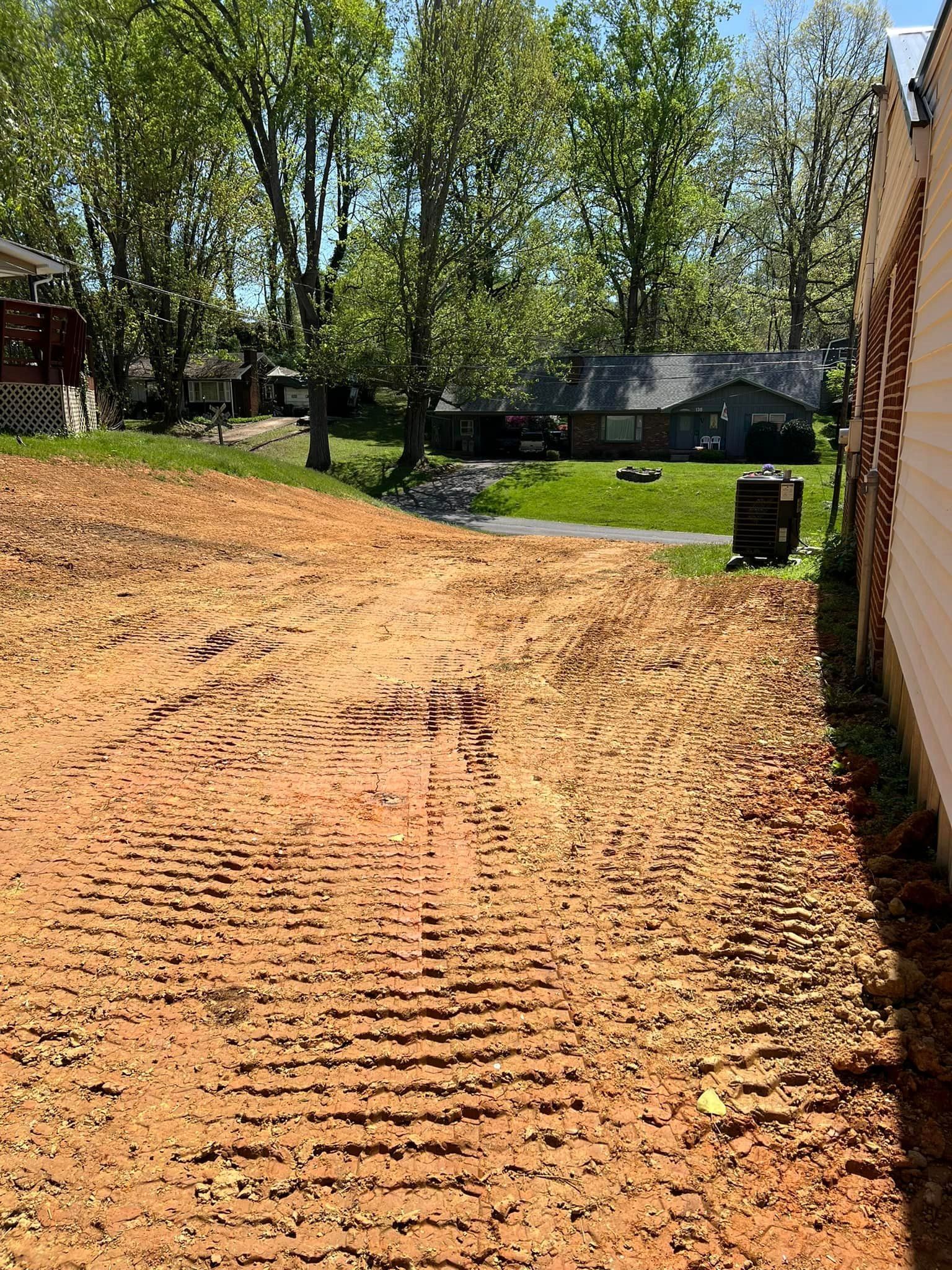
A crowned driveway design helps direct water away from the center toward the edges. This prevents pooling and reduces the likelihood of ice formation in high-traffic areas. A slight slope is essential for maintaining structural integrity during winter storms and heavy precipitation events that commonly affect gravel surfaces in mountainous regions like Northeast Tennessee rural areas.
Clearing Side Ditches and Channels
Clearing Side Ditches and Channels
Blocked drainage ditches can lead to water overflow onto the driveway surface. Clearing leaves, debris, and sediment ensures that water flows freely away from the gravel. This step is especially important in wooded or sloped areas common in Northeast Tennessee, where heavy rainfall can quickly overwhelm poorly maintained drainage systems during seasonal storm event conditions.
Installing or Repairing Culverts
Installing or Repairing Culverts
Culverts help manage water flow beneath the driveway. Damaged or undersized culverts can restrict drainage and cause flooding. Ensuring proper sizing and clear flow paths protects the driveway from erosion and washouts during heavy rainfall and snowmelt periods that frequently occur in colder months across rural Tennessee properties with variable terrain and elevation changes, for long-term stability.
3. Strengthening the Gravel Base
Adding Fresh Base Material
Adding Fresh Base Material
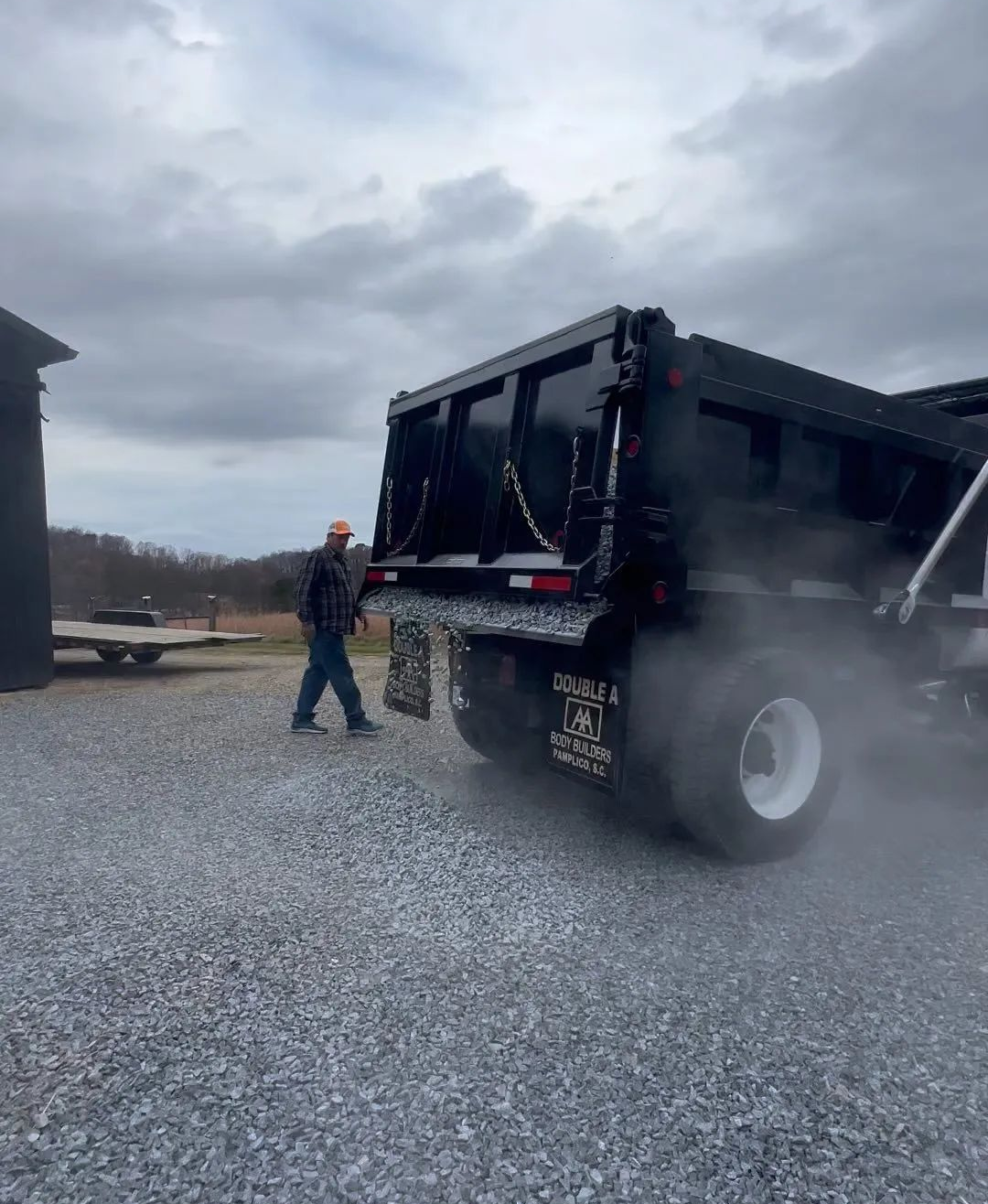
A strong foundation is essential for winter durability. Adding crushed stone or base rock improves compaction and load-bearing capacity. This reduces shifting during freeze-thaw cycles and keeps the surface more stable under repeated vehicle traffic and moisture exposure throughout the winter months in regions experiencing frequent temperature fluctuations and heavy precipitation events affecting gravel driveways' performance.
Compacting the Surface Properly
Compacting the Surface Properly
Compaction locks gravel particles together, creating a firmer and more resistant surface. Using a roller or mechanical compactor helps eliminate air pockets and strengthens the driveway against seasonal movement, moisture penetration, and repeated traffic loads. Proper compaction significantly improves durability and reduces maintenance needs during winter conditions in colder regions with frequent freeze-thaw cycles in the long term.
Filling Ruts and Depressions
Filling Ruts and Depressions
Low spots collect water, which freezes and expands, worsening damage over time. Filling these areas with fresh gravel and compacting them ensures a more even surface that resists winter deterioration and prevents recurring structural issues caused by repeated freeze-thaw cycles and vehicle pressure on weakened sections of gravel driveway infrastructure, supporting long-term driveway integrity performance.
4. Managing Winter Erosion and Washouts
Preventing Surface Runoff Damage
Preventing Surface Runoff Damage
Heavy winter rains can wash away loose gravel if the surface is not stabilized. Installing edge restraints or maintaining proper grading reduces the risk of material displacement during storms and helps preserve driveway structure under challenging weather conditions common in Northeast Tennessee, where seasonal rainfall intensity can quickly erode unprotected gravel surfaces over time, and surface integrity is maintained.
Using Stabilizing Materials
Using Stabilizing Materials
In high traffic or steep areas, stabilizing additives or larger aggregate layers improve resistance to erosion. These materials help lock gravel in place and reduce movement caused by vehicle traffic and water flow, especially during winter conditions when repeated freeze-thaw cycles weaken unprotected driveway surfaces across rural and hilly terrain regions, improving long-term surface stability performance.
Monitoring Slope Integrity
Monitoring Slope Integrity
Driveways on slopes are more vulnerable to washouts. Regularly checking slope stability and reinforcing weak sections before winter ensures long-term durability and prevents costly repairs in spring when thawing conditions exacerbate soil movement and gravel displacement across inclined surfaces in rural Tennessee properties with varying elevation and drainage characteristics, supporting winter performance and stability across seasonal cycles.
5. Preparing for Snow, Ice, and Traffic Stress
Planning Snow Removal Methods
Planning Snow Removal Methods
Gravel driveways require careful snow removal techniques. Using a plow with adjustable height prevents scraping and gravel loss. Planning ahead ensures efficient snow clearing without damaging the surface layer and reduces long-term maintenance needs during repeated winter storms common in Northeast Tennessee, where freeze-thaw cycles can quickly disrupt poorly managed driveway surfaces overall driveway condition.
Applying Safe Ice Control Measures
Applying Safe Ice Control Measures
Salt alternatives or gravel safe de-icing materials help manage ice without breaking down the driveway structure. Overuse of harsh chemicals can weaken the base and should be avoided where possible to maintain long-term stability and protect gravel integrity during freezing conditions common across Northeast Tennessee winter environments, affecting rural properties' overall surface durability performance.
Managing Vehicle Traffic Patterns
Managing Vehicle Traffic Patterns
Consistent tire paths help maintain stability during winter. Encouraging vehicles to follow established tracks reduces surface disruption and prevents unnecessary spreading of gravel during freezing conditions, improving long-term usability and reducing maintenance requirements across gravel driveways in rural Northeast Tennessee, where repeated freeze-thaw cycles can significantly impact surface consistency and traction overall driveway performance stability.
6. Routine Maintenance Throughout Winter
Regular Surface Inspections
Regular Surface Inspections
Frequent checks during winter help identify early signs of damage, such as pothole erosion or ice buildup. Addressing issues quickly prevents them from worsening under continued freeze-thaw cycles and ensures safer driving conditions and improved driveway reliability throughout harsh seasonal weather common in Northeast Tennessee rural and mountainous regions, supporting long-term surface integrity, stability, and performance durability.
Light Gravel Redistribution
Light Gravel Redistribution
Winter traffic often displaces gravel toward the edges. Redistributing material back toward the center maintains even coverage and prevents bare patches from forming. This simple maintenance step helps preserve surface strength and improve traction during icy conditions while reducing long-term degradation of gravel driveways exposed to repeated seasonal freeze-thaw cycles, overall driveway longevity improvement, and performance stability.
Emergency Repair Readiness
Emergency Repair Readiness
Keeping extra gravel on hand ensures a quick response to sudden washouts or deep rut formation. Immediate repairs help maintain driveway usability throughout winter season and prevent minor issues from escalating into major structural damage caused by repeated freeze-thaw stress and heavy vehicle loads across gravel surfaces in rural Northeast Tennessee properties, ensuring long-term driveway resilience performance.
Dependable Property Experts Improving Seasonal Driveway Performance
Proper winter preparation of a gravel driveway in Northeast Tennessee ensures stability, safety, and long-term cost efficiency. Key steps include assessing surface conditions, improving drainage, strengthening the base layer, managing erosion risks, and maintaining consistent upkeep during cold months. Each measure works together to reduce the impact of freeze-thaw cycles and heavy precipitation.
Proactive maintenance prevents small issues from turning into major structural damage. A well-prepared driveway remains functional even under challenging winter conditions, supporting daily access and protecting property value.
Absolute One Properties, based in Jonesborough, Tennessee, brings over 30
years of experience in property care and outdoor surface management. Our work focuses on delivering durable, weather-resistant driveway solutions tailored to regional conditions in Northeast Tennessee. With a deep understanding of seasonal soil behavior, drainage patterns, and gravel stabilization techniques, our approach ensures long-lasting performance and reliability. Property owners benefit from practical expertise, consistent workmanship, and a commitment to maintaining strong, functional driveways throughout every season.