Top Reasons to Use Professional Trenching for Water or Utility Lines
Water and utility line installation is one of the most critical components of modern residential and commercial infrastructure. Whether it involves fresh water supply lines, drainage systems, electrical conduits, or gas pipelines, the accuracy and safety of underground installation determine long-term performance and reliability. In recent years, the demand for efficient and damage-free trenching methods has significantly increased due to growing construction activities and stricter safety standards in utility management.
Professional trenching has become an essential part of this process, ensuring that underground utilities are installed with precision, reduced risk, and minimal disruption to surrounding structures. Improper excavation can lead to costly damages, service interruptions, and serious safety hazards. As properties continue to expand and upgrade their infrastructure systems, the need for skilled trenching practices becomes even more important.
This blog explores the top reasons why professional trenching is the preferred choice for water and utility line installation. It highlights the advantages, safety considerations, technical benefits, and long-term value associated with expert trenching services. Understanding these factors helps property owners, builders, and developers make informed decisions that support durability, efficiency, and compliance with modern construction standards. Proper trenching is not just a construction step; it is the foundation of reliable underground utility systems today.
1. Precision and Accuracy in Utility Installation
Importance of Correct Alignment
Professional trenching ensures that water and utility lines are installed with exact alignment and depth. Accurate trenching prevents uneven slopes, pipe stress, and long-term structural failures. Proper measurements are taken before excavation begins, reducing the chances of errors that disrupt utility flow and service reliability across residential and commercial infrastructure systems, ensuring consistent performance and safety standards throughout installation processes are maintained properly.
Advanced Planning Techniques
Before any digging starts, a detailed site analysis is conducted. Soil conditions, underground obstacles, and utility maps are reviewed carefully. This planning stage ensures trench paths are optimized for efficiency and safety, reducing unnecessary rework or adjustments later in project execution and improving overall installation accuracy significantly across all utility systems, supporting smoother construction workflows and dependable utility placement outcomes consistently achieved.
Real-World Application
In residential developments, precise trenching allows water lines to maintain consistent pressure across all connection points. In commercial spaces, accuracy ensures that multiple utility systems can coexist underground without interference or damage risks. These outcomes are essential for maintaining infrastructure reliability in both small-scale housing projects and large industrial installations requiring precise underground coordination and long-term durability assurance standards to be met.
2. Enhanced Safety and Risk Reduction
Preventing Underground Hazards
Professional trenching significantly reduces the risk of striking existing utility lines such as gas pipes, electrical conduits, or sewage systems. Accidental damage can lead to severe hazards, including leaks, outages, or even explosions in extreme cases, making professional oversight essential for safe excavation practices across all types of infrastructure development projects, requiring careful underground assessment and continuous monitoring procedures always required.
Controlled Excavation Methods
Safety protocols involve controlled digging techniques that minimize collapse risks and protect surrounding structures. Proper shoring, sloping, and protective systems are implemented based on soil type and trench depth, ensuring structural stability and reducing the likelihood of accidents during excavation processes in both residential and commercial construction environments, where safety standards must remain consistently enforced without compromise on worker safety protocols.
Worker and Site Protection
Trenching safety is not limited to underground systems. It also protects workers from cave-ins, equipment accidents, and unstable ground conditions. A structured safety approach ensures compliance with construction regulations and reduces liability risks for property owners while ensuring consistent operational safety standards are maintained throughout excavation and installation processes for improved project reliability and reduced risk exposure levels at all times.
3. Use of Advanced Equipment and Technology
Modern Machinery Integration
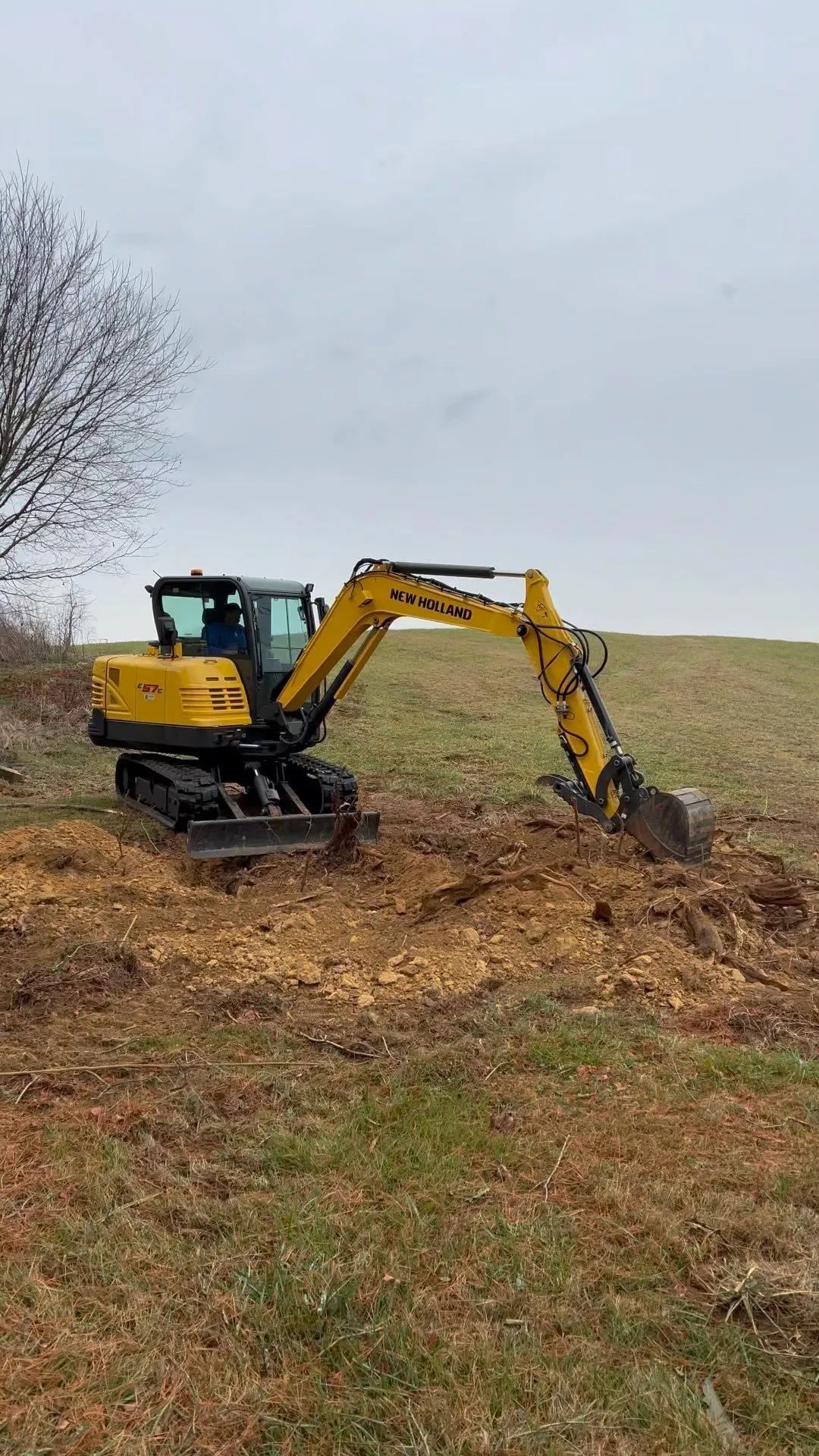
Professional trenching utilizes advanced machinery such as trenchers, excavators, and guided digging systems. These tools allow faster excavation with higher precision compared to manual digging methods, significantly improving productivity on construction sites while reducing labor intensity and ensuring consistent results across varied terrain and project scale requirements for optimal infrastructure development outcomes across all utility installation environments, with maximum efficiency achieved.
Utility Detection Systems
Before excavation, ground-penetrating radar and electronic mapping tools are used to identify hidden utilities. This technology prevents accidental damage and ensures safe digging zones are clearly defined, allowing precise planning and reducing risks associated with underground infrastructure conflicts during construction projects, ensuring improved safety and efficiency standards across all excavation operations for better project execution outcomes overall within construction environments safely managed.
Efficiency Improvements
Modern equipment reduces project timelines significantly. Tasks that would normally take days using manual labor can be completed in hours with the right machinery. This efficiency translates into reduced labor costs and faster project completion, supporting improved scheduling and resource allocation across multiple infrastructure projects simultaneously, while maintaining high operational standards for consistent delivery performance results across construction timelines ensured efficiency.
4. Long-Term Durability and System Performance
Proper Bedding and Support
Trenching is not just about digging; it includes preparing a stable base for pipes and cables. Proper bedding materials are used to prevent shifting, sagging, or pressure damage over time, ensuring long-term stability and structural integrity of underground utility systems installed in varied soil conditions and environmental factors affecting performance reliability across all project types, with enhanced durability achieved consistently.
Preventing Future Failures
Poorly installed utility lines often result in leaks, blockages, or electrical faults. Professional trenching minimizes these risks by ensuring that utilities are placed in stable, well-compacted environments, reducing maintenance issues and extending system lifespan through proper installation practices and careful adherence to engineering standards supporting long-term operational efficiency for reliable infrastructure performance outcomes across utility networks, consistently maintained systems standards.
Maintenance Benefits
Correct trenching reduces long-term maintenance needs. When utilities are installed properly from the start, repair frequency decreases, saving property owners high costs over time, ensuring sustained performance and reducing operational disruptions across residential and commercial infrastructure systems over extended periods of usage while maintaining cost efficiency and reliability for long-term value creation across infrastructure lifecycles, with reduced maintenance burden achieved.
5. Compliance with Regulations and Environmental Standards
Meeting Construction Codes
Utility trenching must follow strict local and national construction regulations. Professional services ensure compliance with required depth, spacing, and safety standards, preventing legal or regulatory issues, ensuring all installation activities meet industry benchmarks and inspection requirements for safe and efficient utility infrastructure development projects, maintaining compliance throughout execution phases for consistent regulatory adherence outcomes across all construction projects as required standards.
Environmental Protection Measures
Proper trenching minimizes soil disruption and prevents contamination of surrounding areas. Careful excavation techniques help preserve natural drainage patterns and reduce erosion risks, ensuring environmental sustainability and compliance with ecological protection standards during all phases of construction and utility installation activities while minimizing long-term ecological impact, supporting responsible infrastructure development practices across all project scopes with sustainable outcomes achieved consistently.
Inspection Readiness
When utilities are installed correctly, passing inspections becomes smoother and faster. This reduces project delays and ensures that infrastructure is approved for long-term use without complications, facilitating streamlined approval processes and improving overall project efficiency during regulatory review stages, ensuring faster completion timelines and reduced administrative bottlenecks for improved project delivery outcomes across infrastructure development cycles with consistent approval success rates.
6. Cost Efficiency and Project Optimization
Reducing Unnecessary Expenses
Although professional trenching may seem like a higher upfront investment, it prevents costly repairs and rework caused by improper installation. Avoiding utility damage alone can save substantial expenses, delivering long-term financial efficiency and reducing unexpected costs associated with infrastructure failures and maintenance interventions over time for improved budgeting accuracy across construction projects with optimized spending outcomes, ensuring efficiency gains are realized.
Time-Saving Advantages
Efficient trenching reduces project duration, allowing other construction phases to proceed without delay. This improves overall project scheduling and resource allocation, resulting in faster project completion and enhanced operational productivity across multiple infrastructure development activities, simultaneously supporting better coordination among construction teams and stakeholders for streamlined project execution across all phases while maintaining quality standards, ensuring timely delivery and efficiency improvement.
Improved Resource Management
Proper planning ensures optimal use of materials and equipment. Waste reduction and efficient labor utilization contribute to better financial outcomes for construction projects, enhancing overall productivity and ensuring balanced allocation of resources across all stages of infrastructure development and utility installation processes, leading to improved project efficiency and reduced operational waste for sustainable project execution across construction environments with measurable outcomes.
Expert Utility Installation Backed by Proven Experience
Professional trenching plays a vital role in ensuring safe, efficient, and durable installation of water and utility lines. From precision excavation and advanced equipment usage to safety compliance and long-term system performance, every stage of the process contributes to reliable underground infrastructure. Proper trenching not only protects existing utilities but also enhances the lifespan and functionality of newly installed systems. It reduces risks, minimizes costs, and ensures adherence to regulatory standards, making it an essential practice in modern construction and development projects.
Reliable trenching solutions also support smoother project execution and better resource management, allowing construction timelines to stay on track without unnecessary disruptions or delays. The importance of expert handling in underground utility work cannot be overstated, especially when long-term safety and performance are at stake.
Absolute One Properties, based in Jonesborough, Tennessee, brings 30
years of trusted experience in delivering dependable property-related solutions. Strong industry knowledge and consistent commitment to quality make us a reliable name for projects involving land preparation and utility planning. We focus on precision, safety, and long-term value in every project we undertake, ensuring infrastructure that stands strong for years.