Site Prep 101: What You Need Before Starting a Construction Project in Gray, TN
Starting a construction project in Gray, TN, requires more than just architectural plans and construction crews. Proper site preparation is the critical first step that ensures your project runs smoothly, stays on budget, and avoids unexpected setbacks. From clearing the land to securing permits, each task plays a vital role in laying a strong foundation for your build. Whether you’re planning a residential development or a commercial property, understanding what goes into effective site preparation can save time, reduce costs, and prevent future structural issues.
1. Land Assessment and Surveying
Before any digging or construction, a professional land survey is crucial. Surveyors assess the property boundaries, topography, and soil conditions. This step identifies potential challenges like uneven terrain, drainage issues, or soil instability that could affect your project’s structural integrity. Proper surveying ensures your construction complies with local regulations and prevents costly errors down the line.
2. Obtaining Permits and Zoning Approvals
Construction projects in Gray, TN, require the appropriate permits and zoning approvals. These legal documents confirm that your project meets local building codes, environmental regulations, and safety standards. Skipping this step can lead to fines, project delays, or even legal complications. It’s important to consult with local authorities early in the planning phase to understand the requirements specific to your site.
3. Clearing and Grading the Land
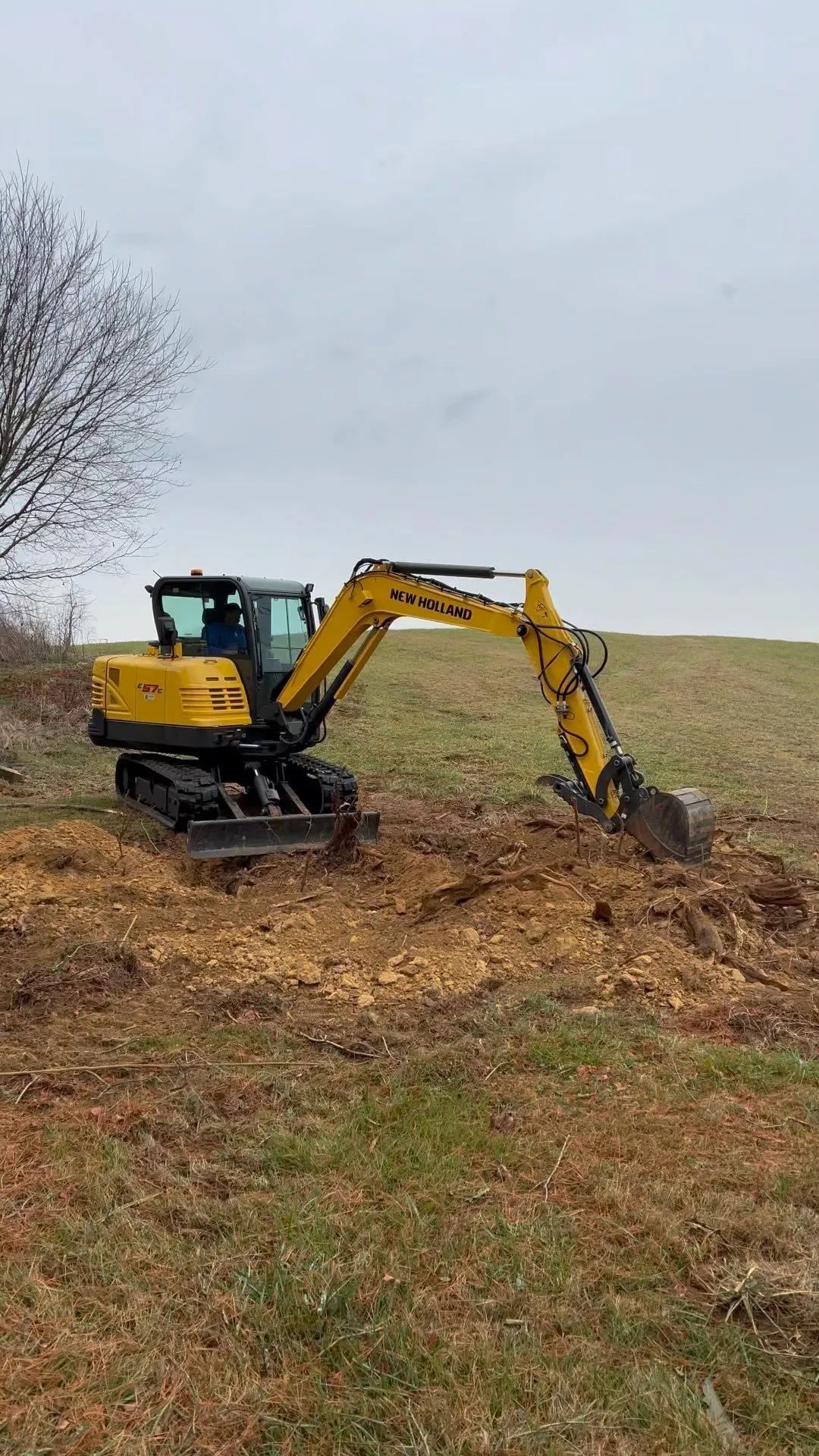
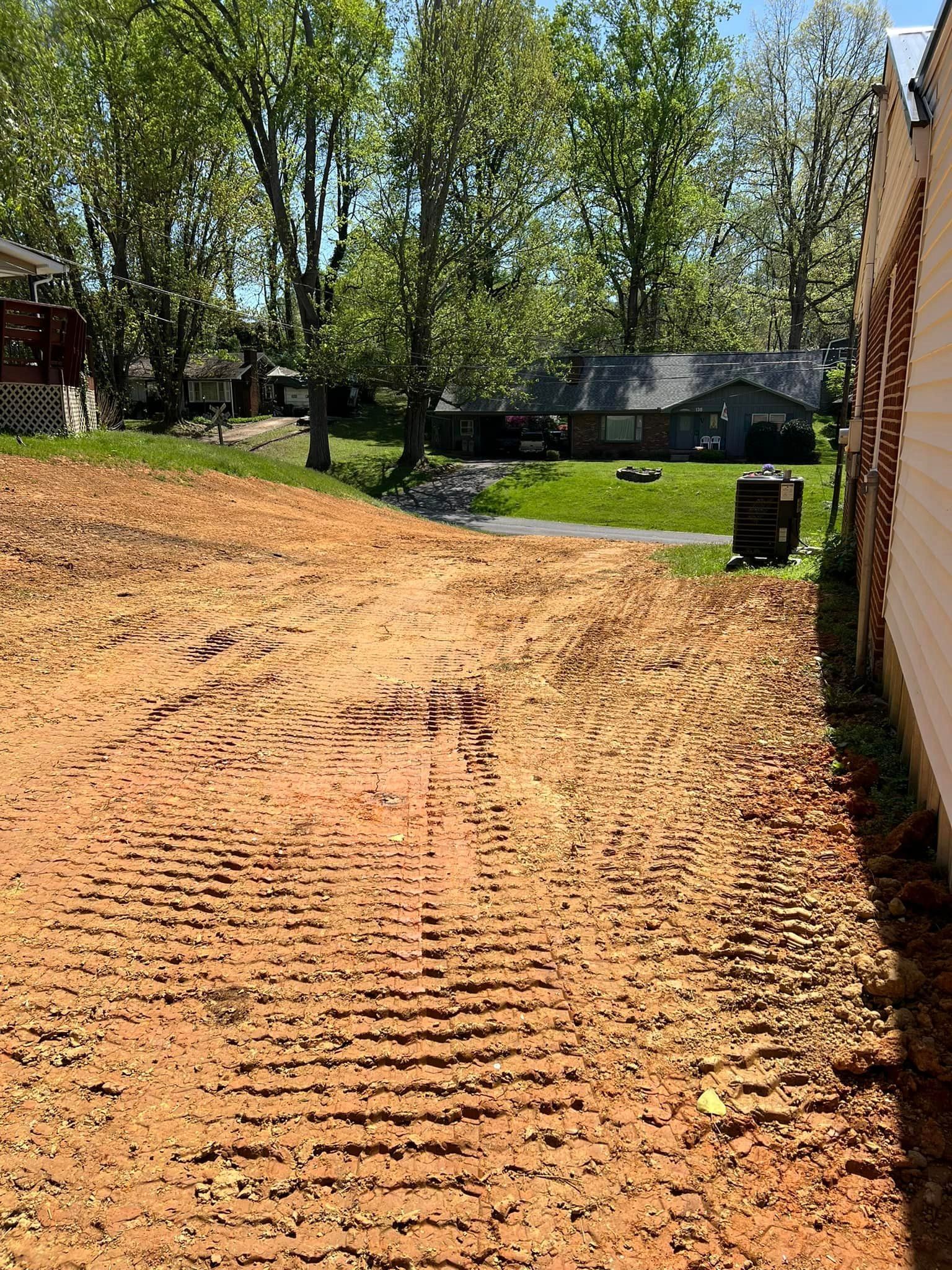
Land clearing involves removing trees, rocks, debris, and any structures that may interfere with construction. Following this, grading ensures the land is level and properly sloped for drainage. Effective grading prevents water pooling, soil erosion, and foundation issues. Investing time in thorough land preparation creates a stable base for your construction and reduces maintenance concerns in the future.
4. Utility Location and Installation
Identifying existing utilities such as water, electricity, gas, and sewer lines is critical before excavation begins. Accidental damage to underground utilities can cause project delays and safety hazards. Once located, utility lines are either rerouted or prepared for connection, ensuring seamless integration with your future building.
5. Erosion Control and Environmental Considerations
Protecting the environment is an essential part of site preparation. Implementing erosion control measures, such as silt fences or retention ponds, prevents soil runoff during construction. Additionally, adhering to environmental guidelines for tree preservation, wetlands, and stormwater management ensures your project remains sustainable and legally compliant.
6. Establishing Access and Logistics
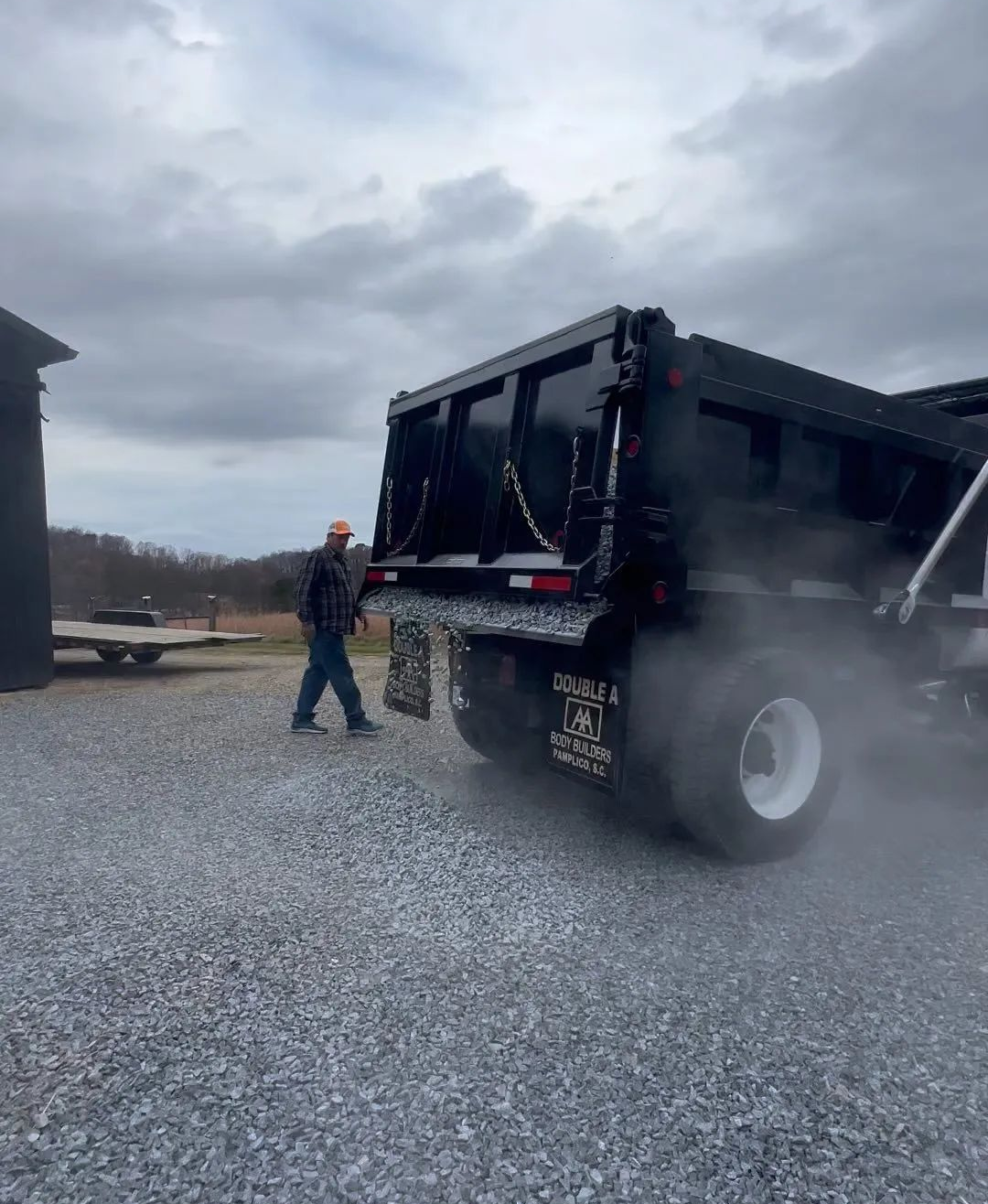
Proper access to the construction site is necessary for the delivery of materials, machinery, and worker movement. Planning temporary roads, staging areas, and equipment placement improves efficiency and minimizes disruptions during construction. Addressing logistics before breaking ground streamlines operations and reduces the risk of costly delays.
Partnering with Experts for Seamless Site Prep
Proper site preparation sets the stage for a successful construction project, but it requires experience, precision, and knowledge of local conditions. Absolute One Properties, located in Jonesborough, Tennessee, brings over 30 years of expertise to site preparation and construction management. Their comprehensive approach ensures that every aspect—from land surveying and permitting to grading and utility installation—is handled with professionalism and care. By partnering with seasoned experts like Absolute One Properties, property owners in Gray, TN, can start their construction projects with confidence, knowing the foundation is solid and ready for success.