Land Clearing vs. Grading: What’s the Difference and When Do You Need Both?
Starting any construction or landscaping project begins with proper land preparation. Two critical processes often come up during this stage are land clearing and grading. While they might seem similar, each serves a distinct purpose in creating a stable, functional, and safe property. Land clearing removes obstacles like trees, shrubs, rocks, and debris to make the land usable, whereas grading shapes the terrain to ensure proper drainage and foundation support. Understanding the difference between the two—and knowing when to use both—is crucial for homeowners, developers, and contractors to ensure long-lasting results and avoid costly mistakes.
What is Land Clearing?
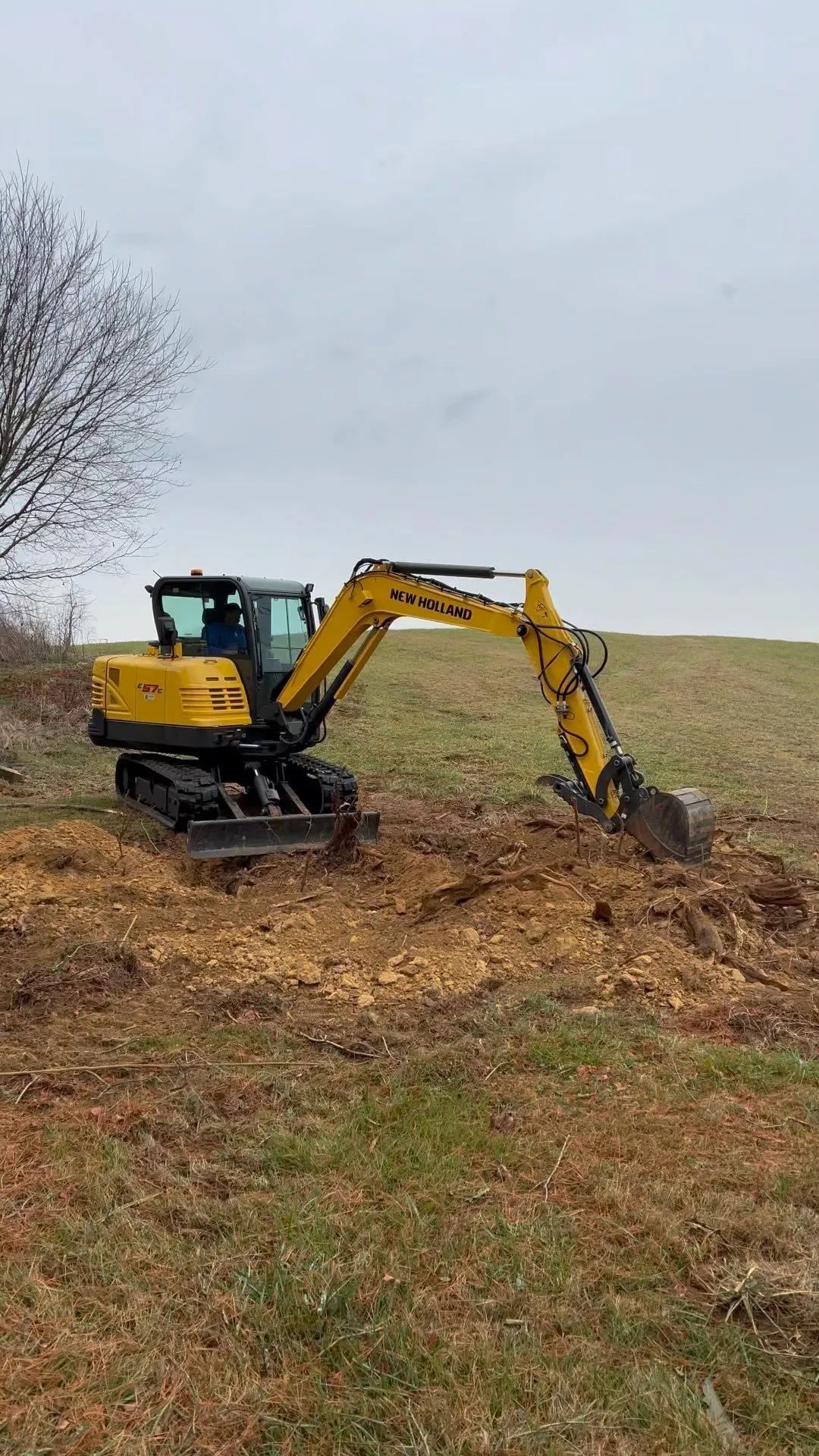
Land clearing involves removing natural and man-made obstructions from a property. This can include trees, stumps, brush, rocks, and old structures. The goal is to create a clean slate that allows for various uses, including construction, landscaping, or agriculture. Land clearing also helps reduce fire hazards, improves soil quality, and allows access to the site for heavy machinery. The process can range from minimal clearing for a small garden to extensive removal for large commercial developments. Specialized equipment like bulldozers, excavators, and chainsaws is often required to handle large or dense areas.
What is Grading?
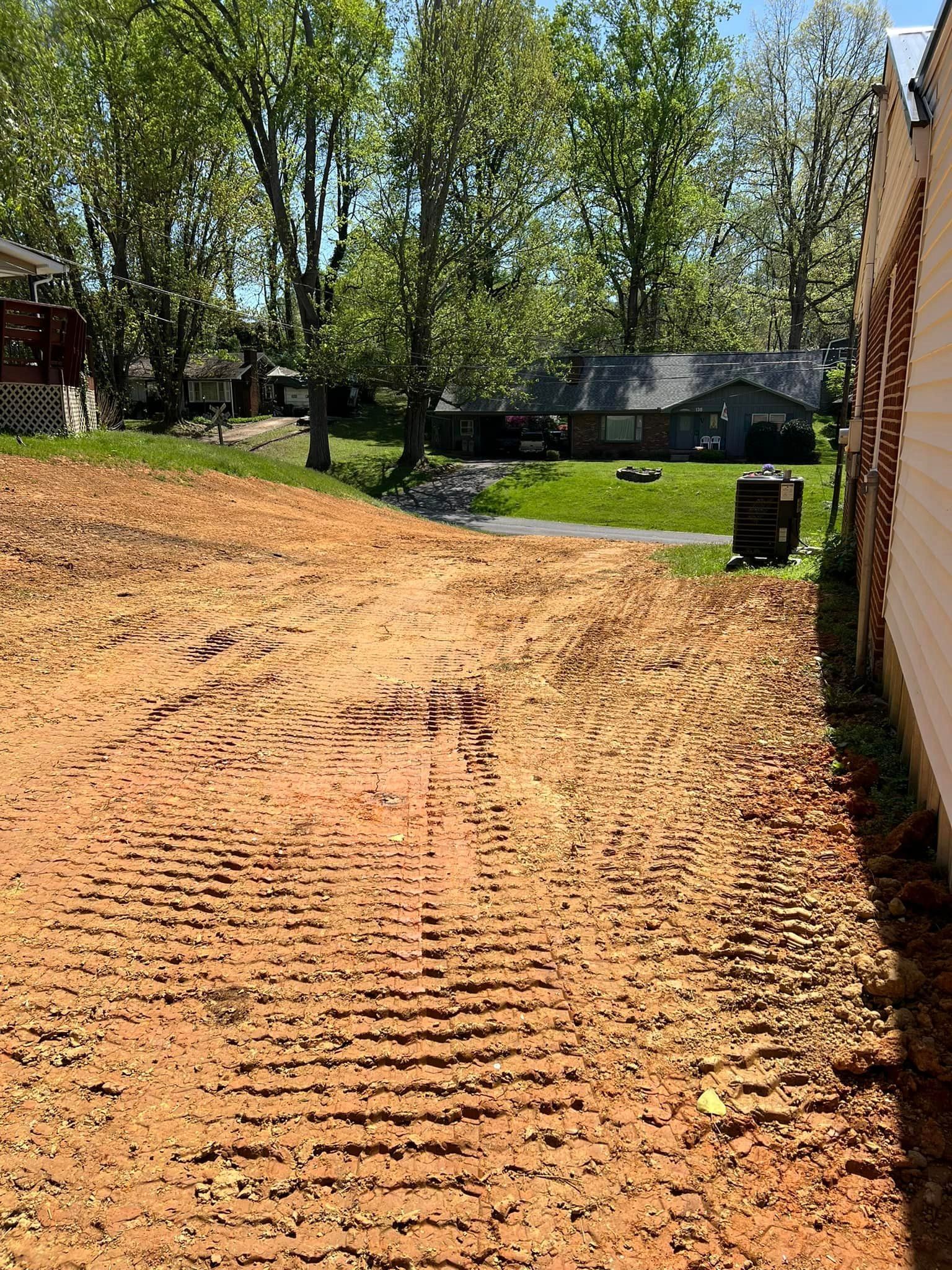
Grading is the process of reshaping the land to achieve a desired slope or level surface. Proper grading ensures water flows away from structures, prevents erosion, and provides a stable base for roads, driveways, or foundations. Unlike land clearing, grading doesn’t remove trees or debris—it focuses on soil movement and terrain modification. There are different types of grading, including rough grading, which establishes the general contour of the land, and fine grading, which prepares the surface for construction or landscaping. A properly graded site minimizes drainage problems and helps protect your property’s long-term value.
When Do You Need Both?
Many projects require both land clearing and grading. For example, before building a new home, you need to clear the lot of trees, brush, and debris, then grade it to ensure proper drainage and foundation stability. Similarly, large-scale landscaping or commercial development projects often combine the two processes to create functional, attractive, and safe spaces. Skipping either step can lead to issues like water pooling, soil erosion, or structural instability, making your project more costly in the long run. Consulting professionals who understand both processes ensures your property is prepared correctly from the start.
Choosing the Right Professionals
Because both land clearing and grading require heavy equipment and specialized expertise, hiring experienced contractors is essential. Professionals can assess your land, determine the scope of work, and execute both processes efficiently. They also ensure compliance with local regulations, environmental standards, and safety protocols, giving you peace of mind while maximizing the value of your property.
Trust Absolute One Properties for Expert Land Preparation
When it comes to preparing your land for construction, landscaping, or agricultural use, experience matters. Absolute One Properties in Jonesborough, Tennessee, has over 30 years of expertise in both land clearing and grading. Our team provides comprehensive site preparation solutions tailored to your project’s unique needs. From removing obstacles safely to shaping the land for optimal drainage, we ensure your property is ready for success. For homeowners and developers alike, Absolute One Properties delivers quality, reliability, and unmatched local knowledge to make every project a smooth and lasting investment.